


Deutsches Auswandererhaus
- Visit: 90–160 min
- from EUR 22
- Step-free access
Sign up free — See who's going and message them.
About
More photos 11
1 / 11


Why go
- The 2007 European Museum of the Year award recognized its staged presentation of history.
- More than 3,000 family histories have been collected for research since the museum opened.
- Personal accounts and original keepsakes trace 340 years of immigration to Germany.
Opening hours
Today10:00 – 17:00Show all
Don't miss
- Emigrant shipsBoard recreations of three emigrant ships from the 1850s, 1880s and 1920s.Emigration route
- Arrival in AmericaFollow the reconstructed route through Ellis Island and Grand Central Terminal.Emigration route
- Immigrant New YorkLook for partial recreations of Old Town Bar, a sweatshop and a deli run by immigrants from Föhr.
- A 2000 diaryFollow an emigrant’s account of loneliness and homesickness, and the start of a love story.2000
Know before you go
- Groups of 15 or more must register in advance.
- Photography and filming in the exhibition are allowed only for private use.
What's inside
- The reconstructed waiting hall and quay show the port as it appeared in 1888.
- Immigration galleries present four debates from Germany’s postwar history through different perspectives.
- The Migration Forum conducts visitor surveys on migration and integration.
- The museum includes a cinema and café, as well as a recording studio.
With kids
- Pick up the free German-language Ship Rat Paul quiz; children who finish its tasks receive a small gift.
- Preschool and primary-school tours introduce migration, then children explore the exhibits and draw a memory picture.
Tips for your visit
- At the start of your visit, you receive an RFID BoardingPass. Use it to activate audio and media stations throughout the exhibition.
Tours and audio guides
- Adult guided tours
- Regularly offered Advance registration is requested because places are limited.
- Family tour
- German · 60 minutes Available during holiday periods for children up to 12; uses playful, age-appropriate activities.
- School tours, activity trails and workshops
- Adapted to pupils’ ages and curricula School groups can follow biographies in small groups and complete reflection tasks linked to their own lives. The interactive migration workshop adapts its language, themes and teaching approach to pupils’ grade levels.
Interesting facts3
-

The oral-history archive contains migrant testimonies gathered through interviews.
Deutsches Auswandererhaus - Wikipedia -

The collection covers migration biographies, everyday life and mentalities from the 17th century onward.
Deutsches Auswandererhaus - Wikipedia -
 5,451 square
Hamburg firm Andreas Heller Architects & Designers designed the museum, which covers 5,451 square metres.
Deutsches Auswandererhaus - Wikipedia
Shorts
-
 Familientipps für Bremerhaven: Deutsches AuswandererhausErlebnis Bremerhaven GmbH
-
 Deutsches Auswandererhaus Bremerhavenmuseum4punkt0
-
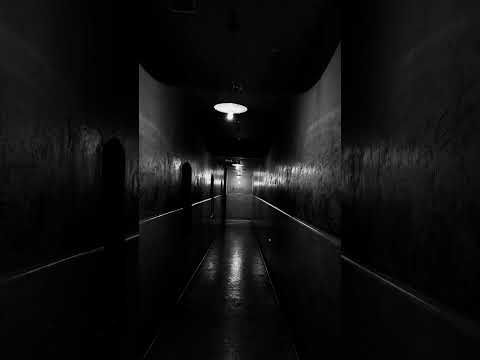 Deutsches Auswandererhaus BremerhavenPM
-
 Ein Ort voller Geschichten – Deutsches Auswandererhaus in BremerhavenRalf Böttcher
-
 Deutsches Auswandererhaus BremerhavenDeutsches Auswandererhaus Bremerhaven
-
 Echte Flüchtlings-Geschichten - Deutsches Auswandererhaus BremerhavenDeutschlandjäger - Dein Reiseblog über Deutschland
History
The emigration route begins in 1870, when Norddeutscher Lloyd opened a waiting hall in Bremerhaven.
- 2005The museum opened on 8 August as Germany’s first museum devoted to migration.
- 2012A second exhibition complex opened in April, focused on immigration to Germany.
- 2021An expansion added six exhibition rooms, more than 400 objects, and over 200 audio and video items.
Accessibility
- Step-free entry The foyer has step-free access.
- Lift Elevators connect all exhibition areas.
- Parking Disabled parking spaces are in front of the museum.
- Wheelchair access Wide corridors connect exhibition areas; two foldable wheelchairs are available to borrow free of charge.
- Printed texts for deaf visitors The ticket office provides printed texts for selected biographies.
- Headphone connection Visitors can connect their own headphones to exhibition stations using a 3.5 mm jack.
- Soundscapes for visually impaired visitors Exhibition soundscapes help visitors follow emigrant and immigrant routes by sound.
- Tactile tours Available on demand and include touching selected exhibits.
- Assistance dogs Welcome in the museum.
- Accessibility certification Certified by Reisen für Alle.
Sources: German Emigration Center - Wikipedia · Bremerhaven - Wikivoyage (see) · Deutsches Auswandererhaus Bremerhaven · Admission and Opening Times – Deutsches Auswand… · Accessibility – Deutsches Auswandererhaus Breme… · Deutsches Auswandererhaus - Wikipedia · Maison allemande de l'émigration - Wikipedia · Offers for children and families – Deutsches Au… · Offers for daycare and school groups – Deutsche… · checked 1 Oct 2026
Questions and answers
When is Deutsches Auswandererhaus open?
It is open daily from 10:00 to 18:00.
Do individual visitors need to book Deutsches Auswandererhaus?
No. You can buy tickets at the museum desk without reserving in advance. Groups of 15 or more must register ahead.
Can I research emigrant ancestors at Deutsches Auswandererhaus?
Yes. Visitors can search the DIE MAUS and Ancestry databases for emigrant ancestors.
- See who's going — faces, not ticket counts.
- Write to someone who shares your interests — no swipes, no matches, no paywall.
- Pick the event or the place to meet at — and go together.