


Fondation Claude Monet
Adulte EUR 25 · Enfant 7-17 ans EUR 7
Sign up free — See who's going and message them.
Is this your place? Get the badge for your websiteAbout
More photos 11
1 / 11





Why go
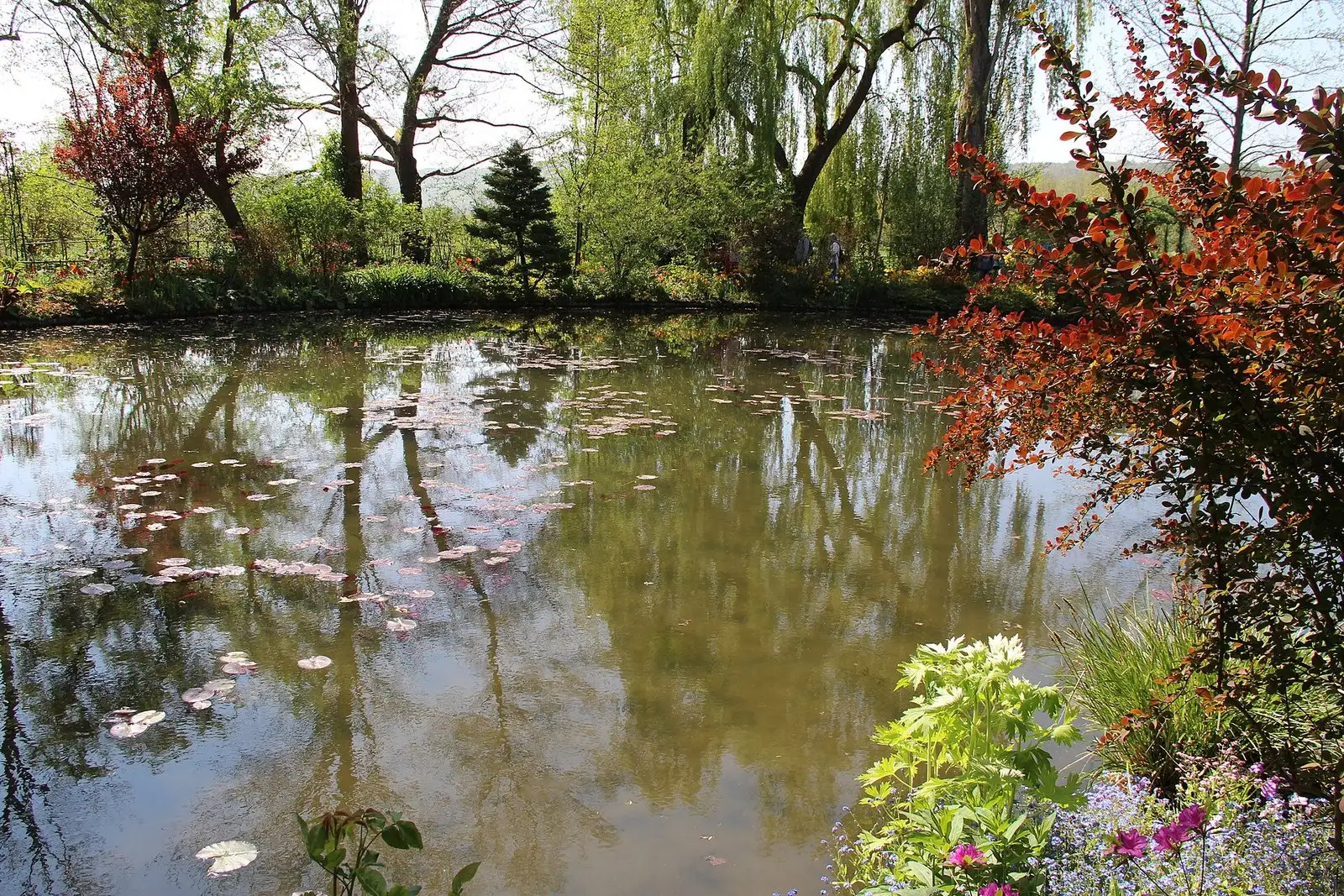
- The water lily pond inspired Monet’s monumental Nymphéas paintings.
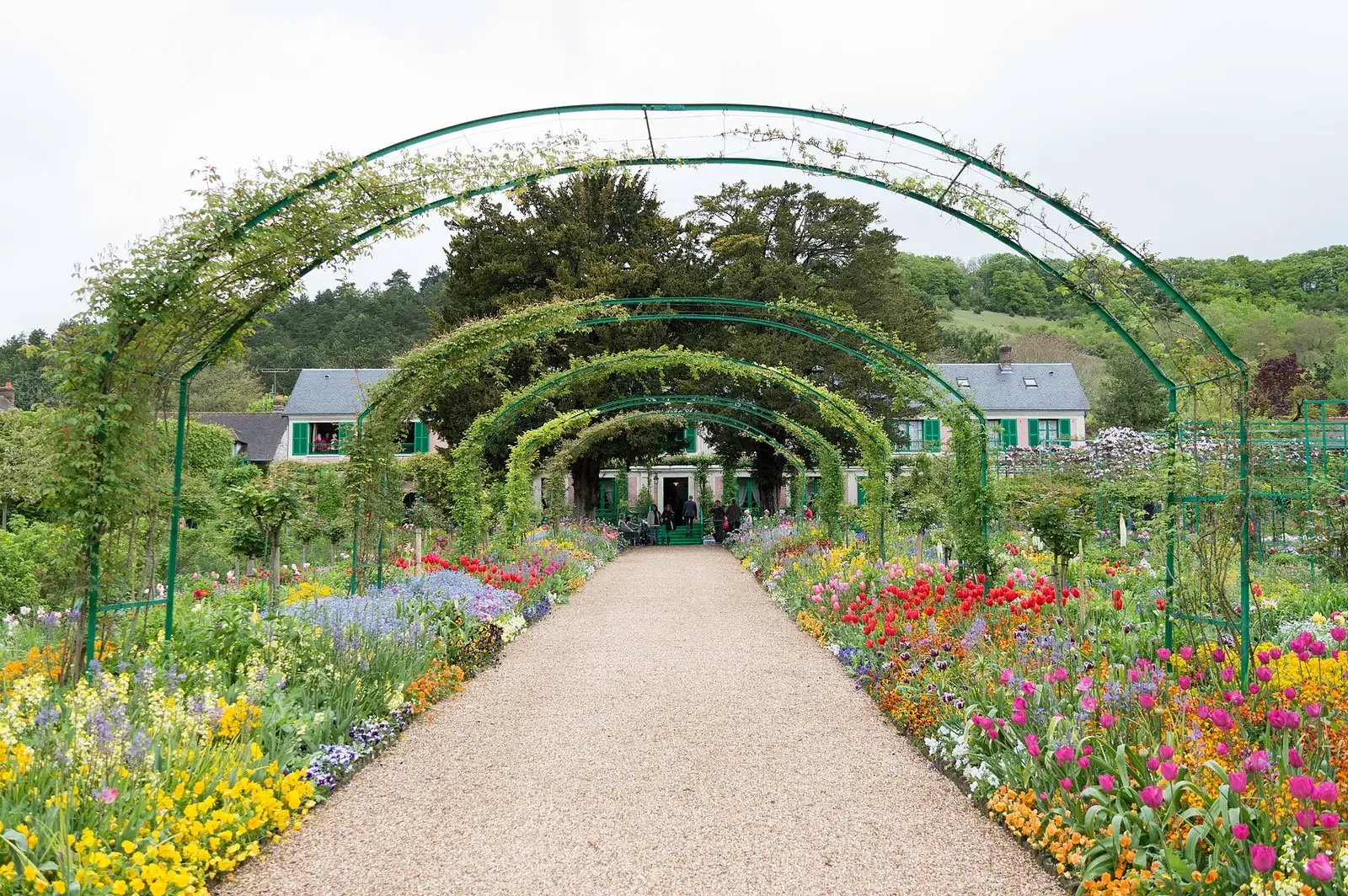
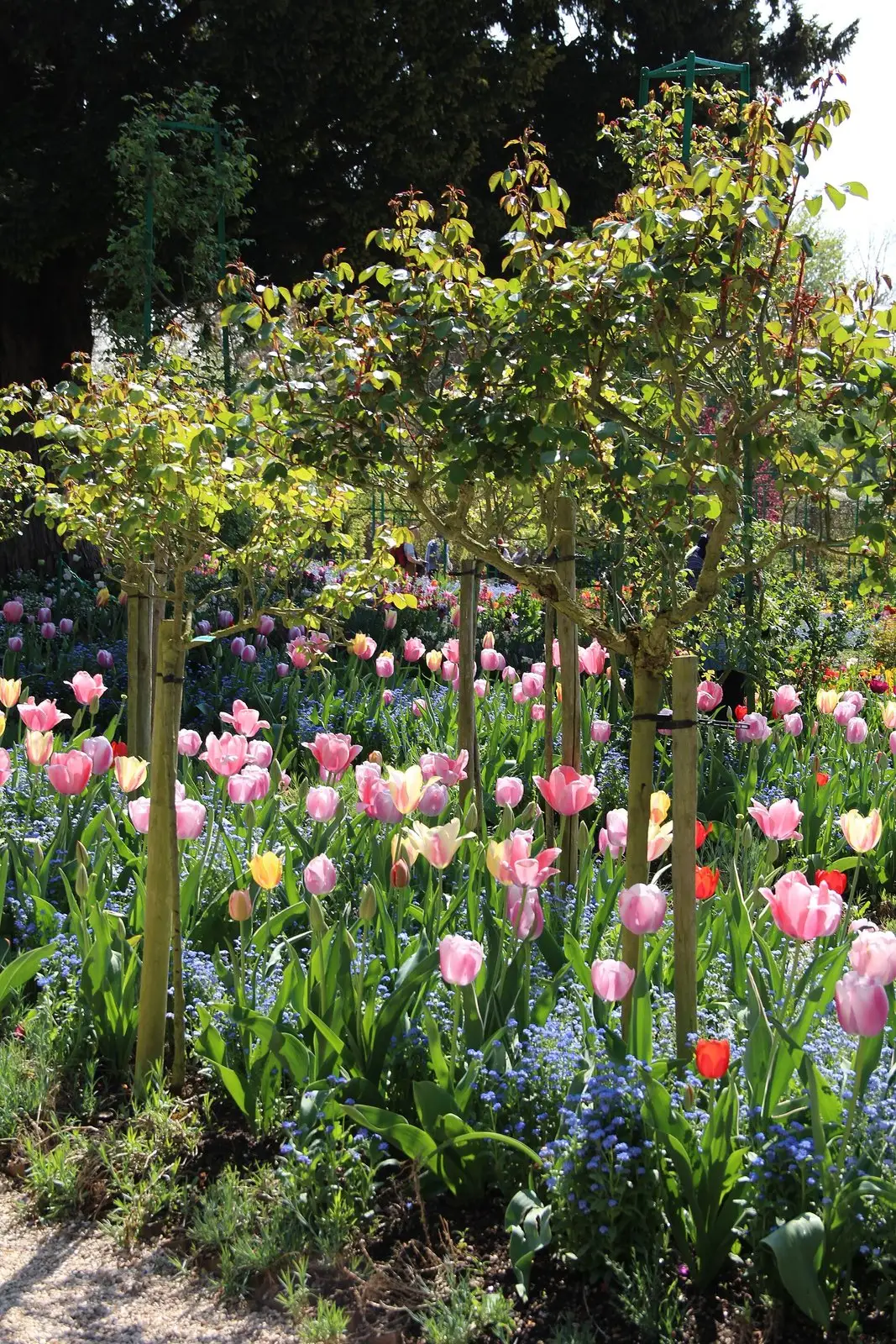
- The Clos Normand’s thousands of flowers grow in straight rows, shaped like an outdoor garden painting.
- The house displays 211 Japanese ukiyo-e prints, including works by Utamaro, Hokusai and Hiroshige.
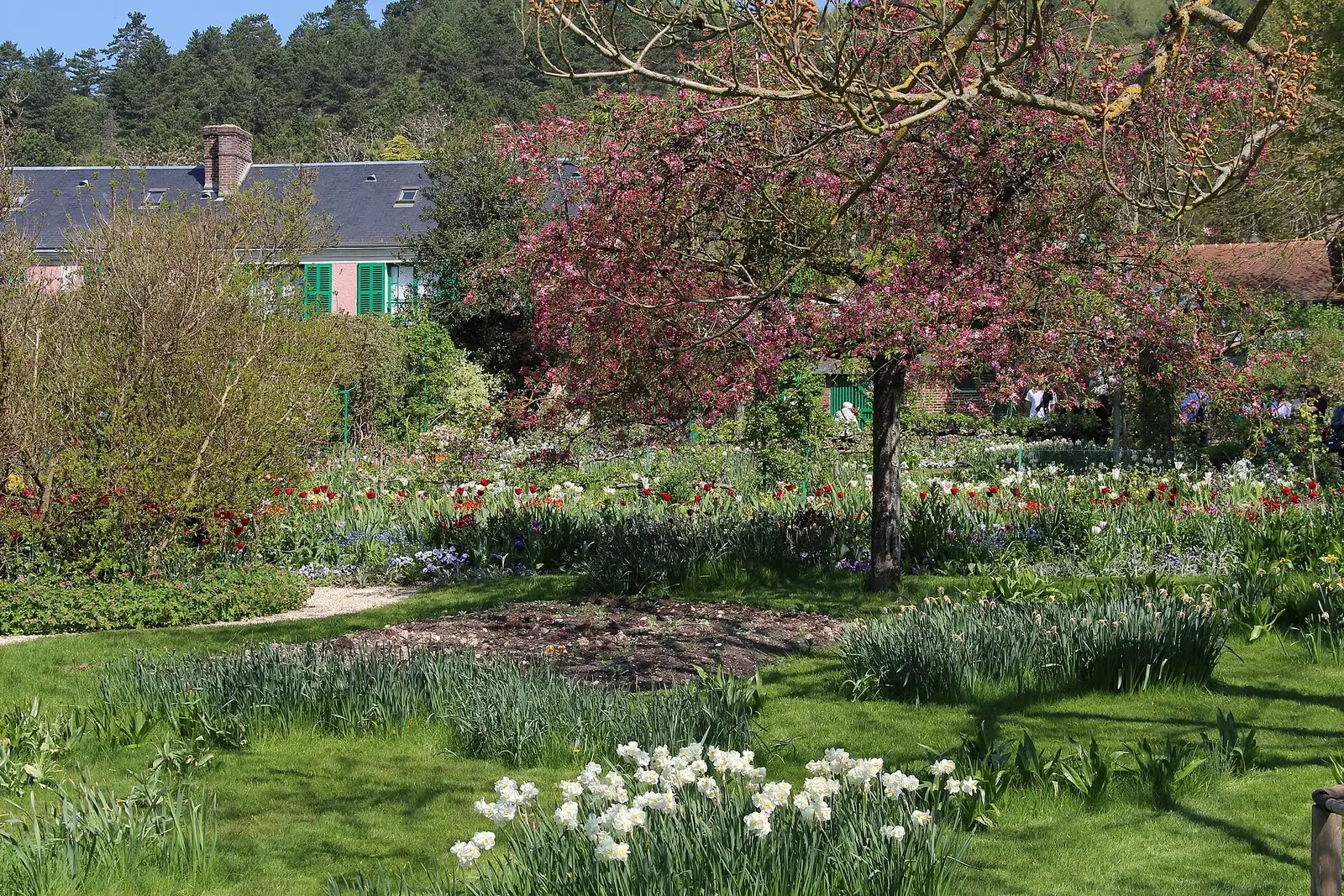
- The restored gardens were replanted with flower species grown during Monet’s lifetime.
Plan your visit
Prices
From the venue's website · checked 27 Oct 2026
Opening hours
Today10:00 – 18:00, 10:00 – 18:00Show all
Don't miss
- Japanese bridgeA local craftsman built the green bridge over the ornamental lake.Water garden
- Blue-and-white tiled kitchenRouen ceramic tiles and copper utensils fill the kitchen.House
- Blanche Hoschedé’s roomOpen to visitors since 2013 after archival research and restoration.House
- Studio-salonReconstructed in 2011 using photographs from 1915 and 1920.House
Photo spots
- Curved pond banksMonet reshaped the banks into curves and asymmetries after the 1910 flood.Water garden
- Weeping willowsThe willows stand beside the water lilies in the water garden.Water garden
History
After Blanche Hoschedé Monet died in 1947, the garden fell into neglect: mud filled the pond and termites damaged the Japanese bridge. Gérald Van der Kemp and Gilbert Vahé later led a three-year restoration of the house, studios, furnishings, prints and gardens.
- 1883Monet moved into Le Pressoir on 29 April; Alice and her children arrived the next day.
- 1885Monet converted the west barn into a studio with a wooden floor and a large window.
- 1890Monet bought the house and grounds in November.
- 1892Construction began on a heated glasshouse to protect Monet’s gloxinias.
- 1893Monet bought land across the railway line and created a water garden, diverting the Ru brook from the Epte.
Show all
- 1901Monet bought more land on the Ru’s south bank to expand the water garden.
- 1902The lily pond grew to about three times its former size, and gardeners planted water lilies.
- 1926–1947After Monet died, Blanche Hoschedé Monet maintained the property with help from former head gardener Louis Lebret.
- 1966Michel Monet bequeathed the estate and his father’s remaining art collection to the Académie des Beaux-Arts.
- 1980The estate opened to the public on 1 June after restoration, and the Fondation Claude Monet was established.
How to get there
- On foot84 rue Claude Monet, 27620 Giverny
Accessibility
- Wheelchair access Available
Sources: Fondation Monet in Giverny - Wikipedia · Giverny - Wikivoyage (see) · Site en construction · Haus und Garten Claude Monet - Wikipedia · Maison et jardins de Claude-Monet - Giverny - W… · Fondation Claude Monet: prices (its own site) · checked 6 Oct 2026
- Website
- claudemonetgiverny.fr/
- Phone
- +33 2 32 51 28 21
Plan from here: Evening walk →
Questions and answers
How much are tickets to Fondation Claude Monet?
Adult admission is €25; admission for children aged 7–17 is €7.
Are there original Monet paintings at Fondation Claude Monet?
No. There are no original Monet paintings on site.
What are Fondation Claude Monet’s opening hours?
The estate opens daily and closes at 18:00. For the opening time on your visit date, call +33 2 32 51 28 21.
How do you get from the house to Fondation Claude Monet’s water garden?
A pedestrian underpass beneath the Chemin du Roy links the Clos Normand and the water garden.
Can I buy tickets online for Fondation Claude Monet?
Yes. Buy an e-ticket online to avoid the ticket queue.
- See who's going — faces, not ticket counts.
- Write to someone who shares your interests — no swipes, no matches, no paywall.
- Pick the event or the place to meet at — and go together.