

Hyde Park Barracks
- Visit: 90 min
- Step-free access
- Ideal for kids, teens
Sign up free — See who's going and message them.
Is this your place? Get the badge for your websiteAbout
More photos 11
1 / 11


What's on here
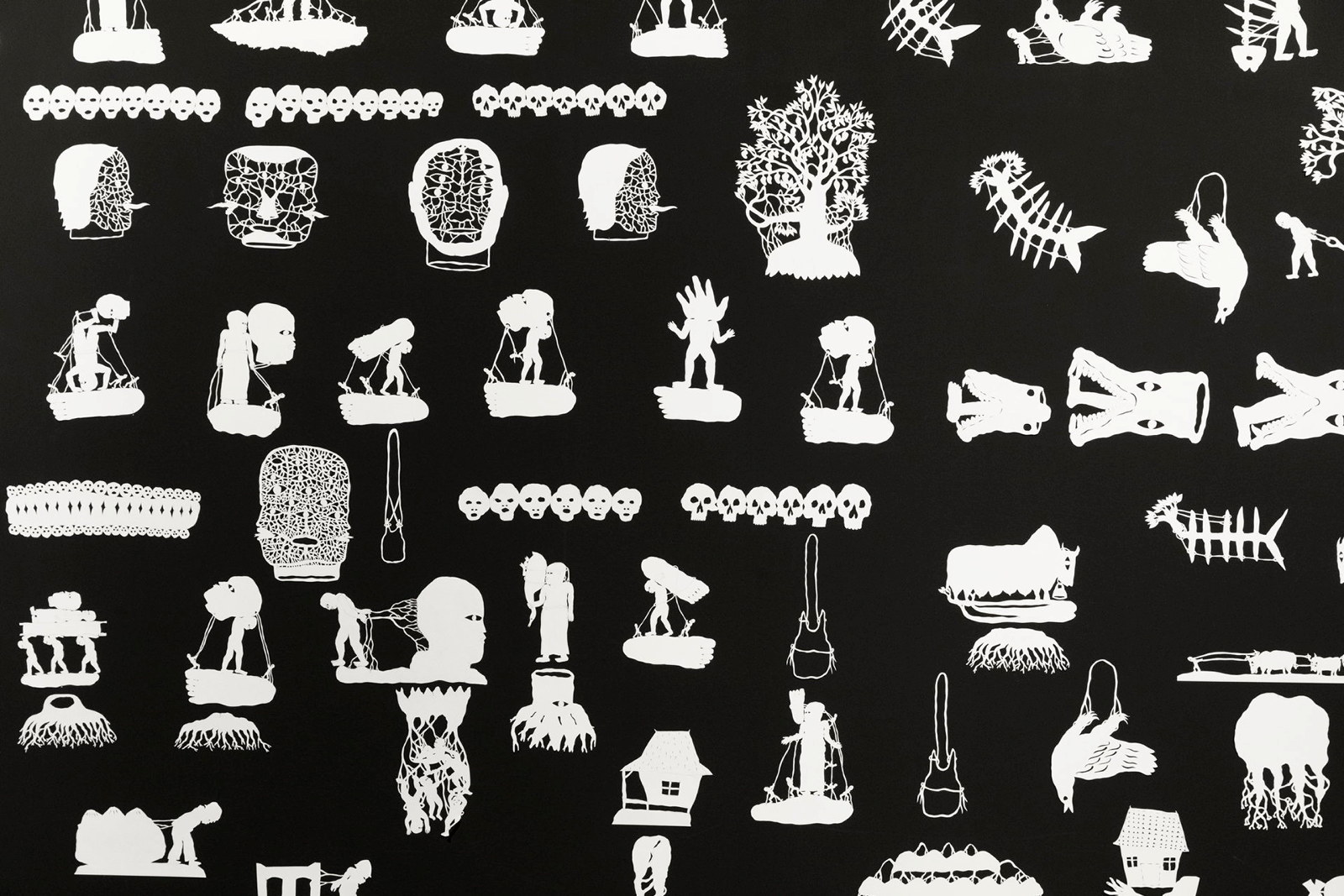 Shadow Play Workshop with Jumaadi
Friday, 09:0020 USD
Shadow Play Workshop with Jumaadi
Friday, 09:0020 USD
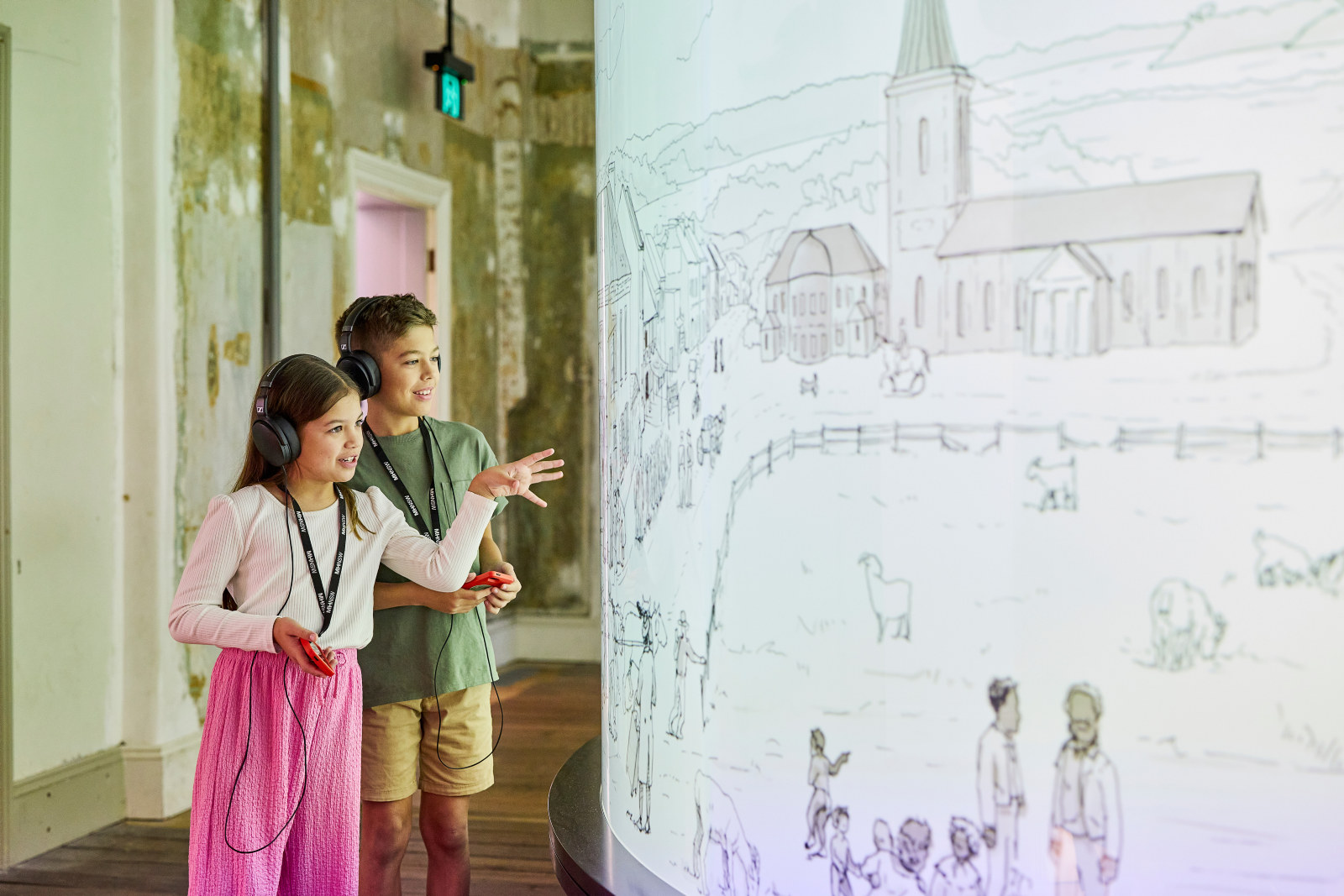 Hyde Park Barracks Family Fun Day
Friday, 09:00Free
Hyde Park Barracks Family Fun Day
Friday, 09:00Free
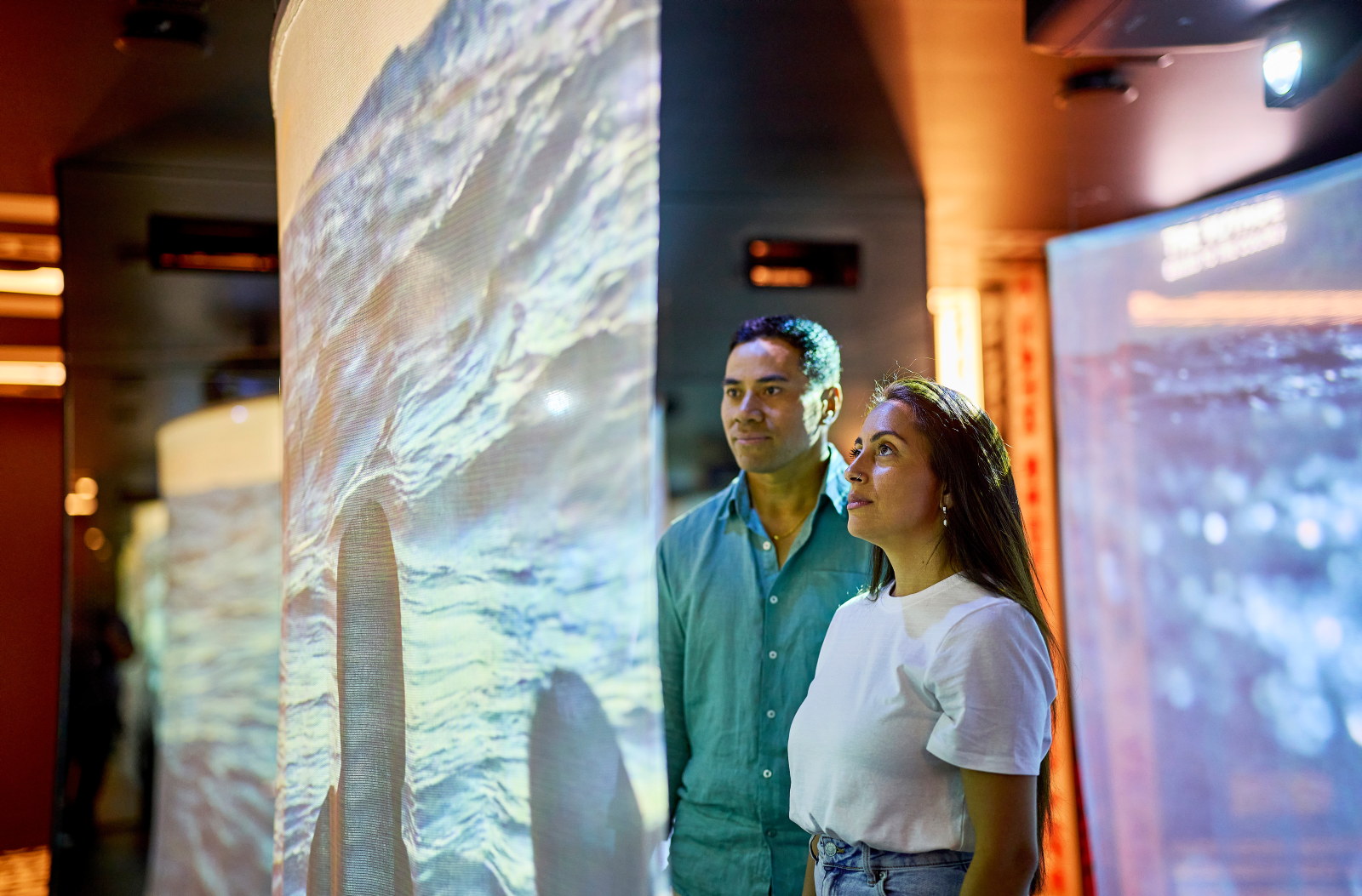 Members Hour: Hyde Park Barracks
Monday, 09:00Free
Members Hour: Hyde Park Barracks
Monday, 09:00Free
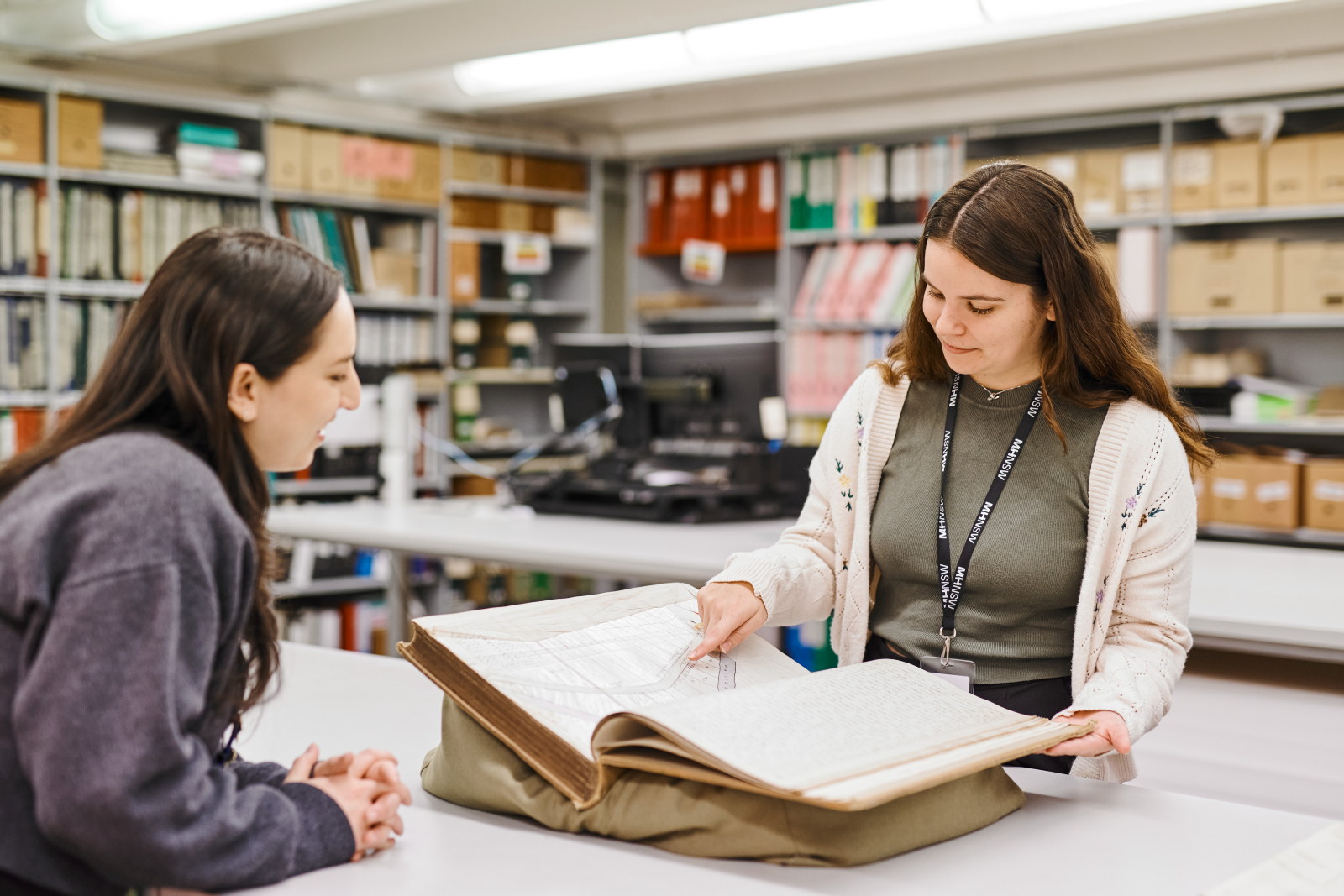 Museum Careers Series
Monday, 09:00
Museum Careers Series
Monday, 09:00
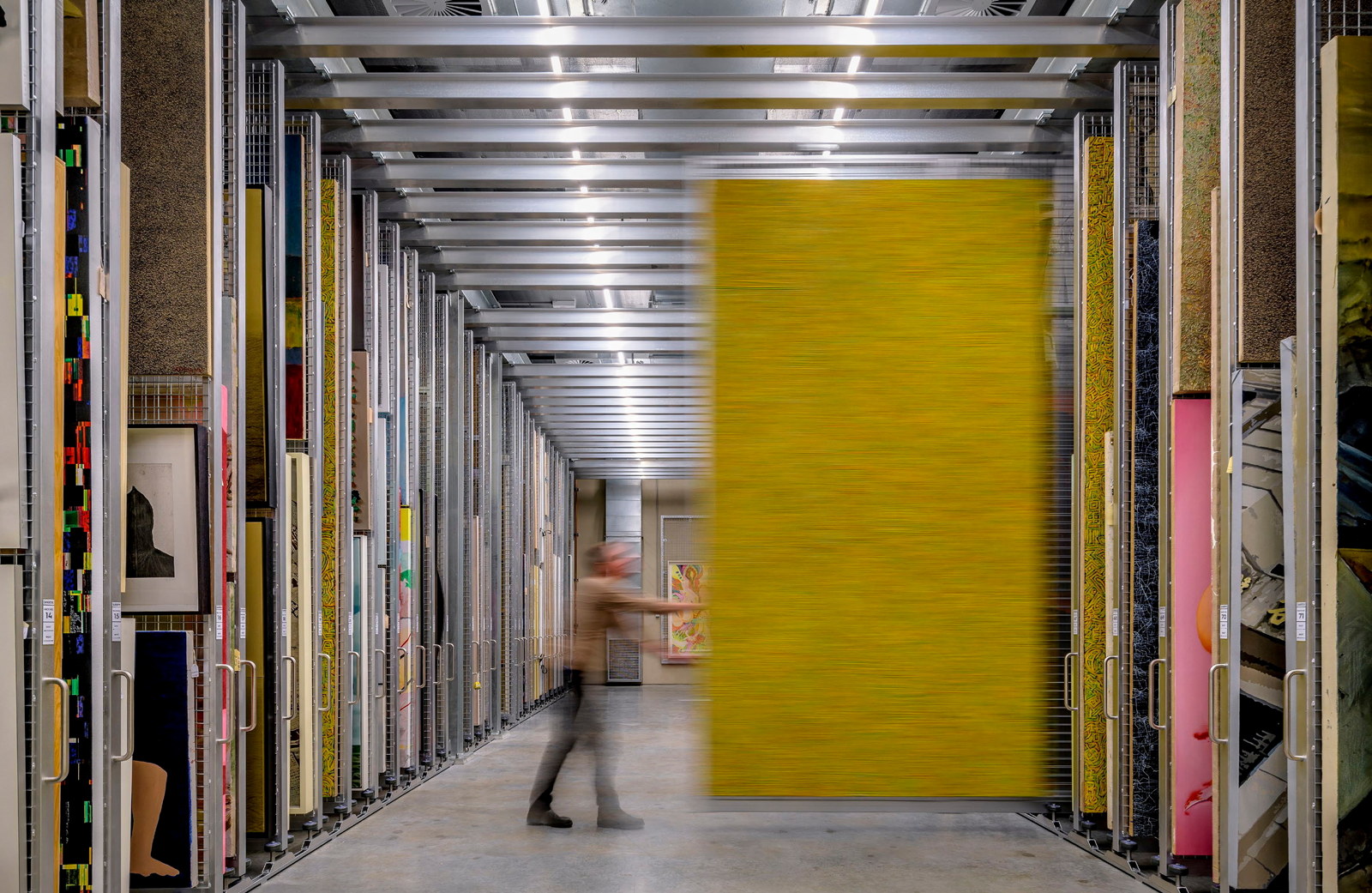 Exclusive Guided Tours of Dangrove
Friday, 09:0036 USD
Exclusive Guided Tours of Dangrove
Friday, 09:0036 USD
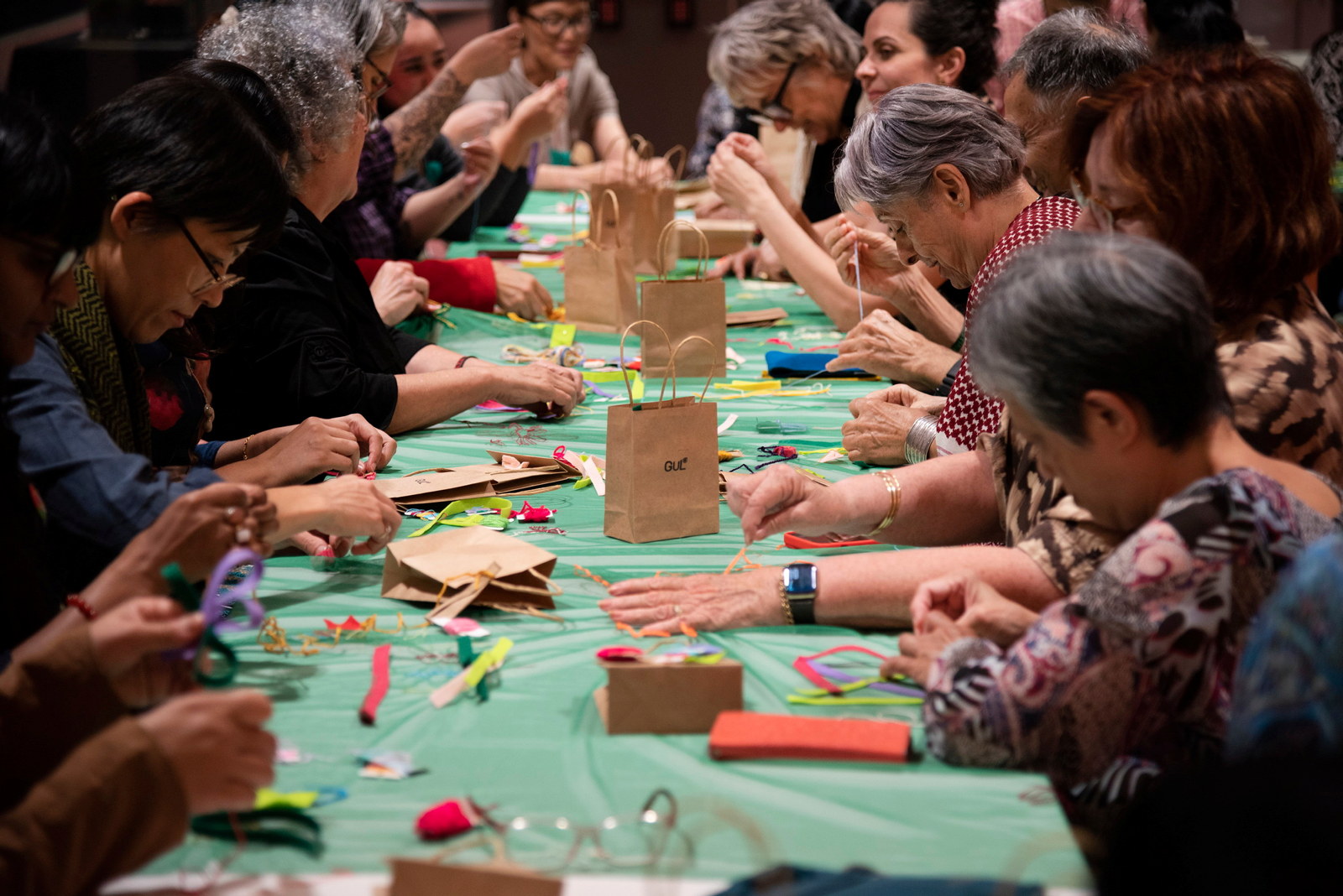 The GUL Collective workshops
Saturday, 09:00
The GUL Collective workshops
Saturday, 09:00
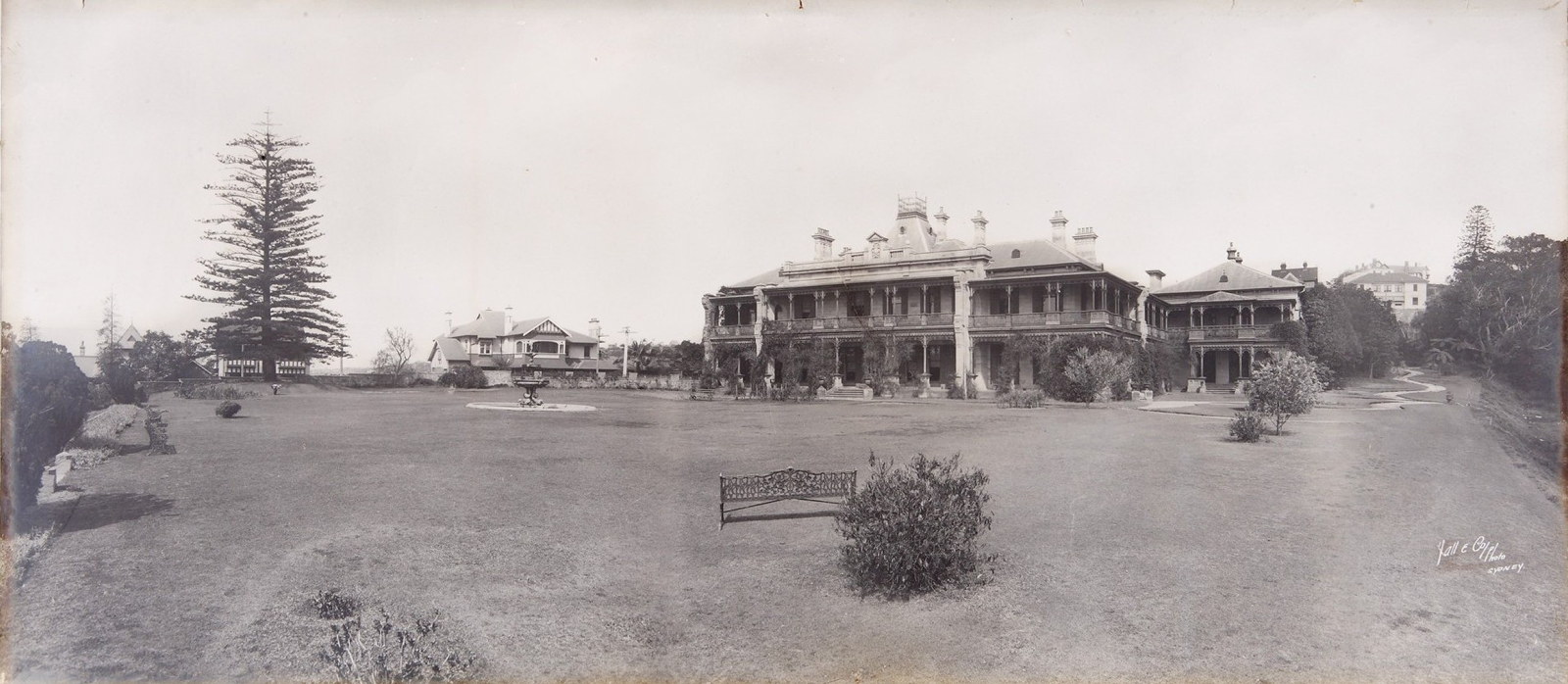 Demolished Homes & Lost Gardens
Tuesday, 09:00
Demolished Homes & Lost Gardens
Tuesday, 09:00
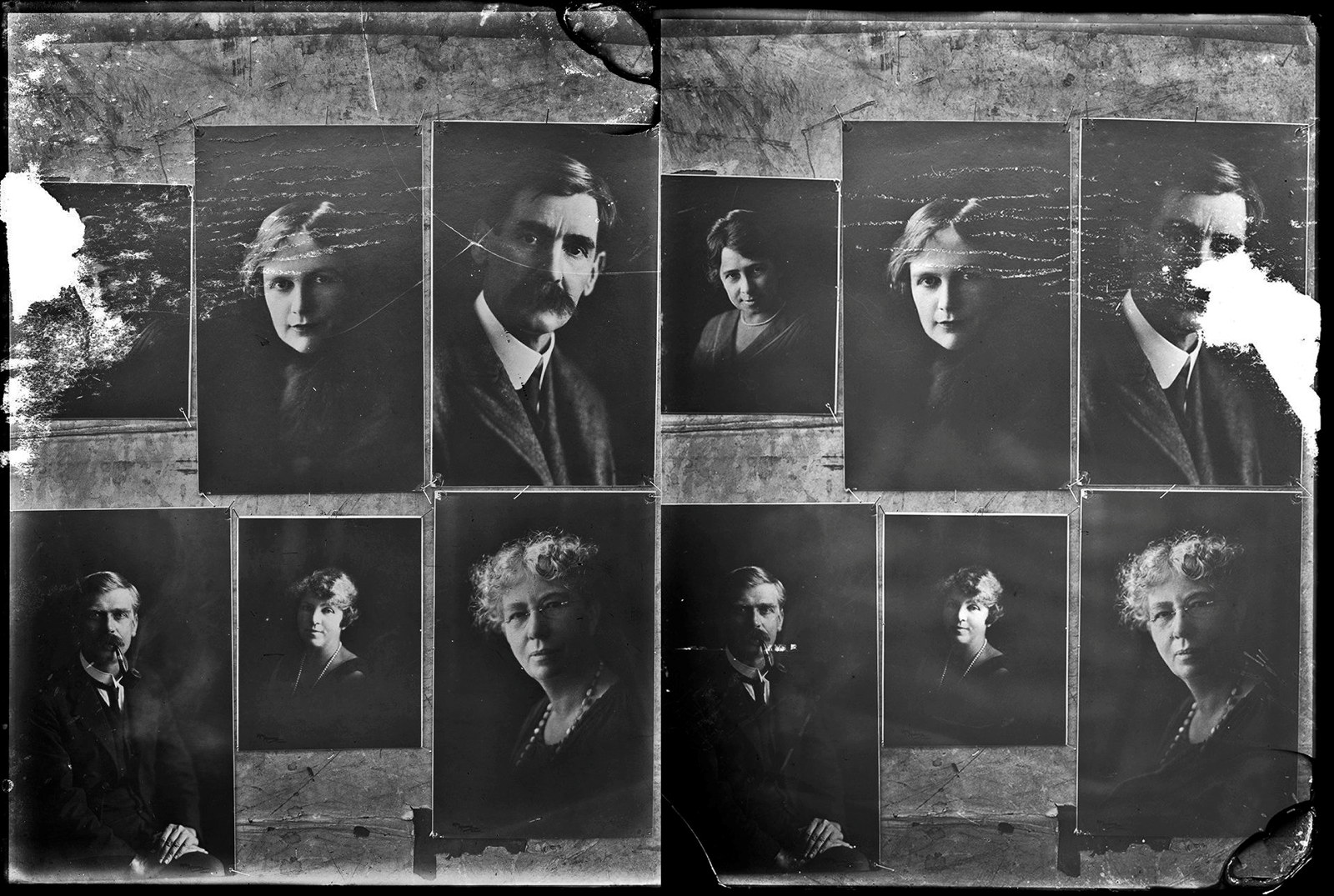 Writers in the Records: Literary Lives in the NSW State Archives…
Wednesday, 09:00
Show more
Writers in the Records: Literary Lives in the NSW State Archives…
Wednesday, 09:00
Show more
Why go
- More than 4,000 original artefacts accompany audio that changes with your location in the museum.
- The exhibitions explore colonisation’s ongoing impact on First Nations peoples.
- The female immigration depot housed an estimated 40,000 women over 38 years.
- Convict architect Francis Greenway designed the brick barracks, built by convicts for men and boys.
Opening hours
Today10:00 – 18:00Show all
Don't miss
- Macquarie clockAn early colonial clock bears Governor Macquarie’s name and the year 1817.Stone panel on the Dormitory Block
- Hammock framesFrames in one room recreate the likely hammock arrangement: the long eastern dormitories slept 70 men, and the smaller western rooms 35.One room in the main barracks
- Exposed archaeological depositsA wooden platform lets visitors view exposed archaeological remains.Northern lodge
With kids
- The museum has a children's trail with stories and activities about convicts and immigrants who lived in the barracks.
Facilities
- Toilets In the southern part of the eastern buildings.
- Café In part of the former northern cell block and adjoining structure.
Photo spots
- Macquarie Street fig treesTwo fig trees in the grounds recall 19th-century town-planning schemes.Grounds on Macquarie Street
- Eastern perimeter balconyExterior view of the balcony reached by outside stairs, serving separate first-floor rooms.Eastern perimeter buildings
Shorts
-
 🇦🇺New South Wales Australia Old Convict Holding Army Hyde Park Barrac…MyGoogleTravels
-
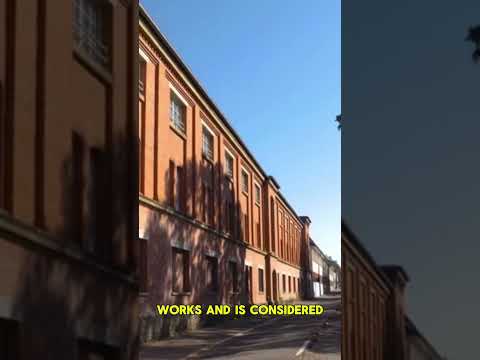 FACTS ABOUT HYDE PARK BARRACKS, SYDNEY (SUBSCRIBE FOR MORE)Historical places around the world
-
 FACTS ABOUT HYDE PARK BARRACKS, SYDNEY (SUBSCRIBE FOR MORE)Historical places around the world
-
 Outside the Hyde Park Barracks Museum, SydneyFuntasticdaze
-
 Hyde Park BarracksLorenzo Strolla
-
 Hyde Park Barracks - Convict FoodJimena R
-
 Exploring Hyde Park Barracks and The Art Gallery of NSWHappy Feet Roams
-
 Hyde Park Barracks Sydney Australia 19th Century ArtifactsLorenzo Strolla
History
The barracks housed convicts assigned to government work around Sydney and became a crossroads for men moving through the colony.
- 6 April 1817Governor Macquarie laid the foundation stone; convicts built the barracks.
- 4 June 1819The barracks officially opened, admitting 589 convicts.
- 1830The Court of General Sessions began sentencing convicts here; punishments included floggings and treadmill terms.
- 1848The remaining convicts moved to Cockatoo Island. The buildings became a depot where newly arrived single women stayed while seeking work placements.
- 1862–1886The top floor housed an asylum for up to 150 infirm and destitute women.
Show all
- 1880sThe court complex became known as Chancery Square, later the Queen’s Square Courts.
- 1886The barracks ceased providing accommodation, and the women moved to purpose-built facilities at Newington.
- 1887–1979Courts and government offices occupied the barracks.
- 1921A claim for equal pay for women was rejected; equal pay was granted only in 1973.
- 1927A court decision here approved the basic living wage.
- 1975–1984Conservation work culminated in a museum of Sydney opening here in 1984.
- 1 August 2007The barracks received National Heritage recognition for connections including Governor Macquarie and Francis Greenway.
- 2019–2020The museum closed for restoration in January 2019 and reopened in February 2020.
How to get there
- 5 minOn footSt James Station
- 7 minOn footMartin Place Station
- 5 minOn footElizabeth Street bus stops beside Hyde Park
Accessibility
- Wheelchair access Ramps provide a continuous accessible route across the site, and a lift serves the main barracks building.
Hidden gems nearby
Sources: Hyde Park Barracks, Sydney - Wikipedia · Hyde Park Barracks, Sydney - Wikipedia (part 2) · Hyde Park Barracks, Sydney - Wikipedia (part 3) · Sydney/City Centre - Wikivoyage (see) · Hyde Park Barracks · Hyde Park Barracks · Hyde Park Barracks - Wikipedia · Hyde Park Barracks (Sydney) - Wikipedia · checked 26 Sep 2026
- Phone
- +61282392311
Similar places nearby


Nearby places
Plan from here: Evening walk →
Eat and drink nearby


Where to stay nearby


Questions and answers
Which languages does the Hyde Park Barracks audio experience offer?
English, Mandarin, Japanese, Korean, French, German, Italian and Spanish.
How long does a visit to Hyde Park Barracks take?
The self-guided audio experience takes about 90 minutes.
Who managed the Hyde Park Barracks women’s depot and asylum?
Matron Lucy Applewhaite-Hicks managed both and lived on the second floor with her family.
Why is there an Irish famine memorial at Hyde Park Barracks?
Around a third of transported convicts who passed through the barracks were Irish. The Orphan Institution also used the barracks until 1852, and many famine victims passed through.
Which period does the restored Hyde Park Barracks reflect?
Restoration in the late 1980s aimed to recover its appearance around 1820.
- See who's going — faces, not ticket counts.
- Write to someone who shares your interests — no swipes, no matches, no paywall.
- Pick the event or the place to meet at — and go together.