
 Photo: Corey Leopold · CC BY 2.0 · edited
 Photo: Corey Leopold · CC BY 2.0 · edited
 Photo: Corey Leopold · CC BY 2.0 · edited
 Photo: Corey Leopold · CC BY 2.0 · edited
 Photo: Corey Leopold · CC BY 2.0 · edited
 Photo: Corey Leopold · CC BY 2.0 · edited
 Photo: Corey Leopold · CC BY 2.0 · edited
 Photo: Corey Leopold · CC BY 2.0 · edited
Japanese Tea Gardens
4.820.1K
#4Gardens in the USTravelers' Choice 2025
Sign up free — See who's going and message them.
What's on here


About
Japanese Tea Gardens occupies a former limestone quarry at the northwestern edge of Brackenridge Park in San Antonio, near the San Antonio Zoo.
More photos 7
1 / 7 Corey Leopold · CC BY 2.0 · edited
Why go
- Prison labor shaped the quarry into paths, stone arch bridges, an island and a Japanese pagoda.
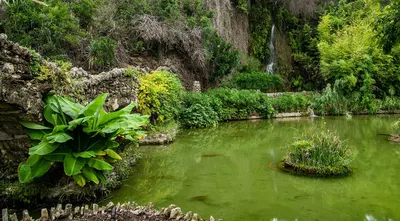
- The garden’s 100,000-gallon ponds have floating islands planted with lilies and cannas to help conserve water.
- The site is recognized as a civil engineering and historic landmark, and is on the National Register of Historic Places.
Opening hours
Today07:00 – 17:00Show all
Monday07:00 – 17:00
Tuesday07:00 – 17:00
Wednesday07:00 – 17:00
Thursday07:00 – 17:00
Friday07:00 – 17:00
Saturday07:00 – 17:00
Sunday07:00 – 17:00
Don't miss
- Torii gateDionicio Rodriguez made this concrete entrance gate to imitate wood.At the garden entrance
- Kiln chimneyThe chimney still stands from the Alamo Cement Company’s 26 years of kiln operations here.At the former kiln site
- WaterfallA restoration campaign launched in 2007 to repair the ponds and waterfall.In the garden
- Historic Jingu HouseRestoration finished in October 2011, and the house became a catering restaurant.In the garden
Shorts


History
Kimi Jingu represented the Shizuoka Tea Association and was regarded nationally as a tea expert. The Bamboo Room opened in 1926, serving light lunches and tea. Later, Ted and Ester Wu ran a snack bar in the pagoda until the early 1960s.
- Quarry originsGerman masons quarried limestone here for construction. The stone was used in San Antonio buildings, including the Menger Hotel.
- Land donationGeorge Washington Brackenridge donated the land to the city.
- about 1917Parks commissioner Ray Lambert proposed a garden in the quarry. Engineer W.S. Delery designed it, with funding from several donors.
- 1919Kimi Eizo Jingu moved to the garden at the city's invitation. He and Miyoshi Jingu cared for it and raised eight children in the park.
- 2005The city funded new roofs for the Pavilion and Jingu House.
Show all
- 1942The Jingu family was evicted as anti-Japanese sentiment rose during World War II.
- World War IIThe garden was renamed the Chinese Tea Garden to protect it from destruction and vandalism.
- 1984The city restored the Japanese Tea Garden name at a ceremony attended by Jingu family members.
- March 8, 2008The garden reopened to the public, with Jingu family members returning for the event.
Sources: San Antonio Japanese Tea Garden - Wikipedia · Home - San Antonio Parks Foundation · About us - San Antonio Parks Foundation · checked 3 Oct 2026
Where
3853 N St. Mary’s St Brackenridge Park, TX, San Antonio
- Website
- saparksfoundation.org/
- Phone
- 2102128423
Plan from here: Evening walk →
Questions and answers
Why was it called the Chinese Tea Garden?
During World War II, the garden was renamed to protect it from destruction and vandalism.
What are Japanese Tea Gardens’ opening hours?
Daily, 07:00–17:00.
What was built with stone from the quarry?
San Antonio buildings including the Menger Hotel.
How invme works
- See who's going — faces, not ticket counts.
- Write to someone who shares your interests — no swipes, no matches, no paywall.
- Pick the event or the place to meet at — and go together.
Reviews on invme
Sign in to reviewLoading comments…