

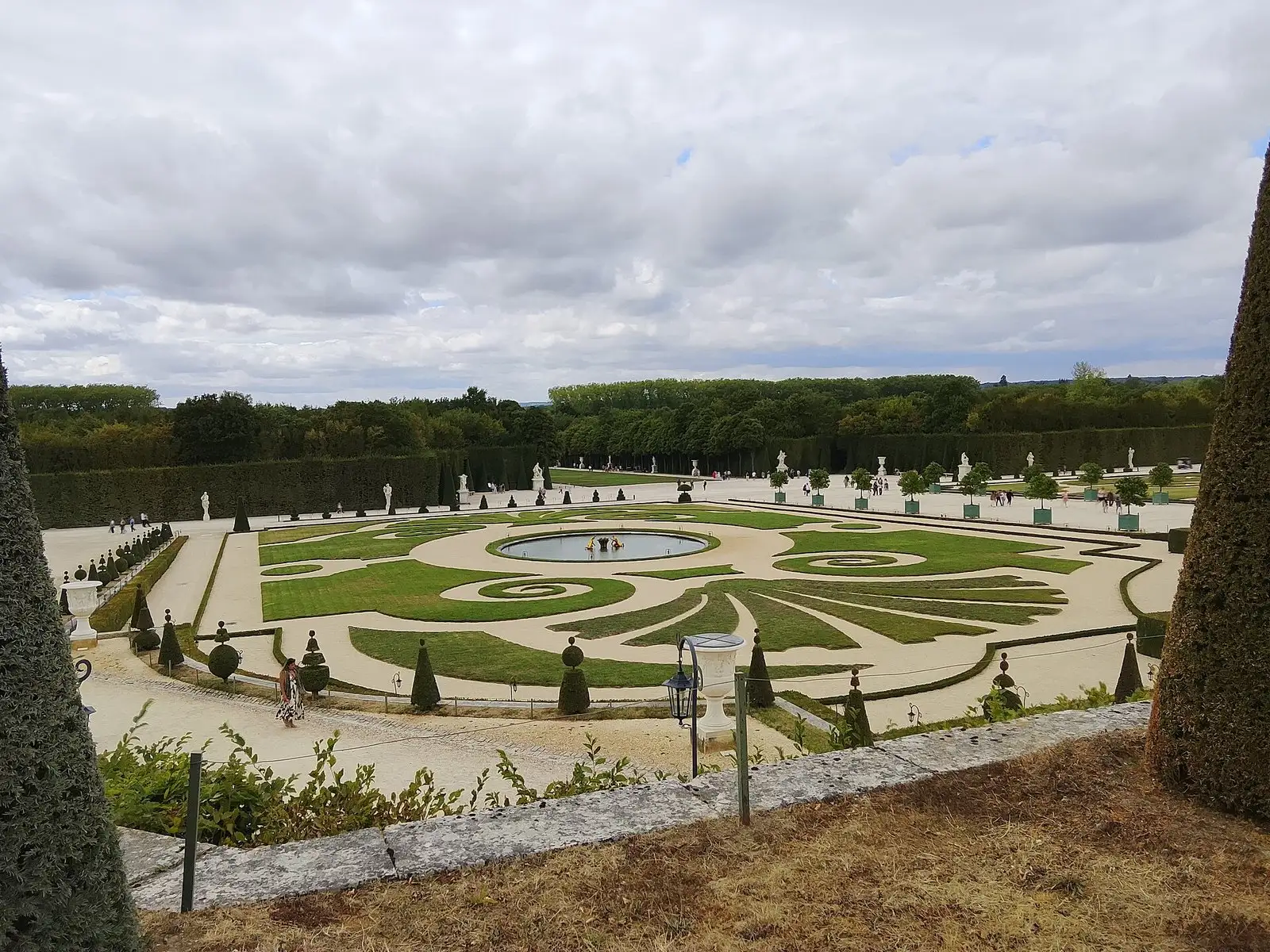
Jardins du Château de Versailles
Open today 07:00–20:30réduit EUR 7
Sign up free — See who's going and message them.
Is this your place? Get the badge for your websiteAbout
More photos 10
1 / 10




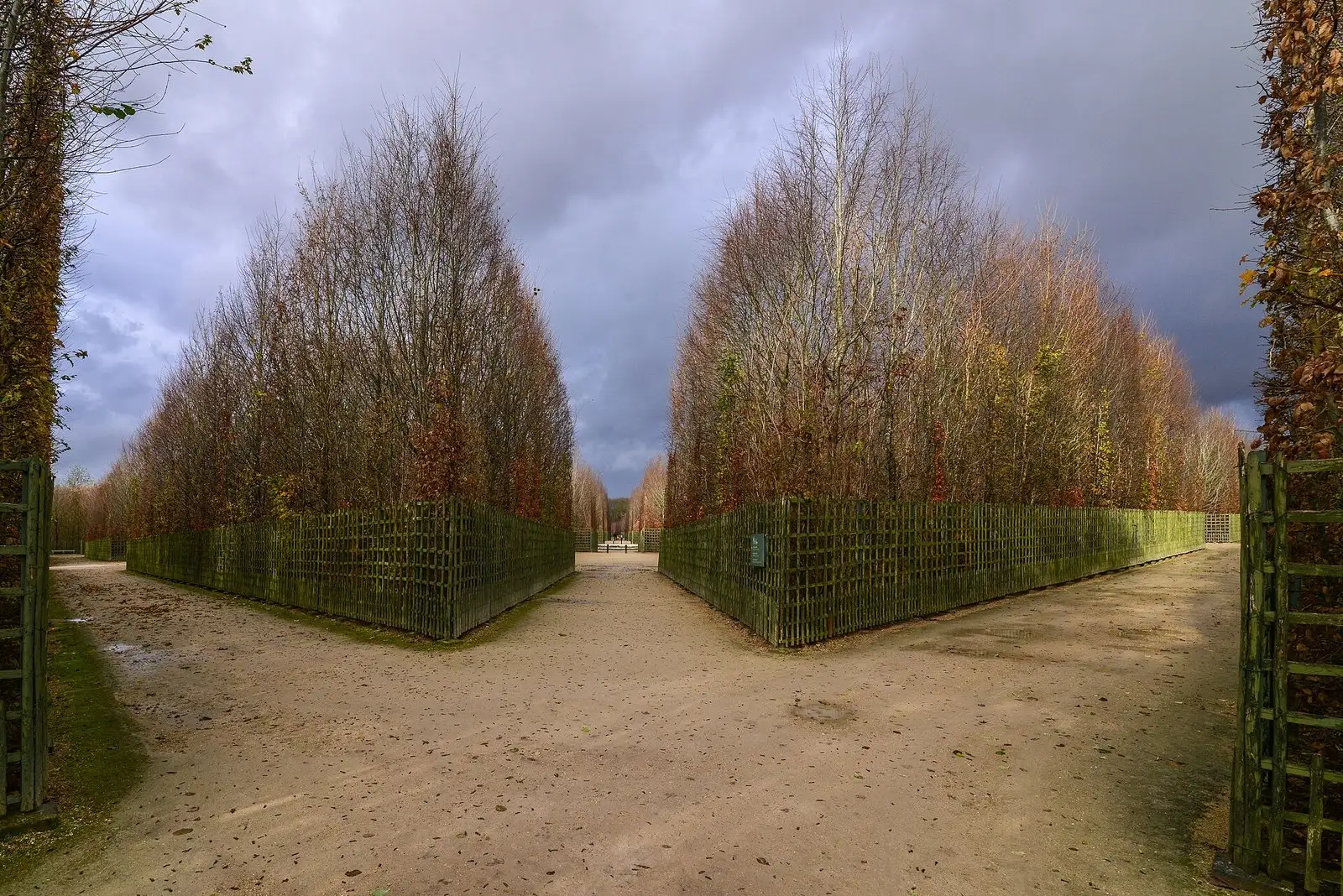

Why go
- Many fountains date to Louis XIV and still use much of the old hydraulic network.
- The gardens contain 386 artworks, including 221 statues.
- When operating, the Bosquet de l’Encélade fountain sends the gardens’ tallest jet 25 metres into the air.
- The Colonnade has thirty-two arches and twenty-eight fountains.
Plan your visit
Opening times
Closed on 25 Dec
Prices
From the venue's website · checked 20 Oct 2026
Entrances
- Escaliers des Cent MarchesSouthern access to the gardens, the Pièce d’eau des Suisses and the Parterre du Midi.South of the gardens
Don't miss
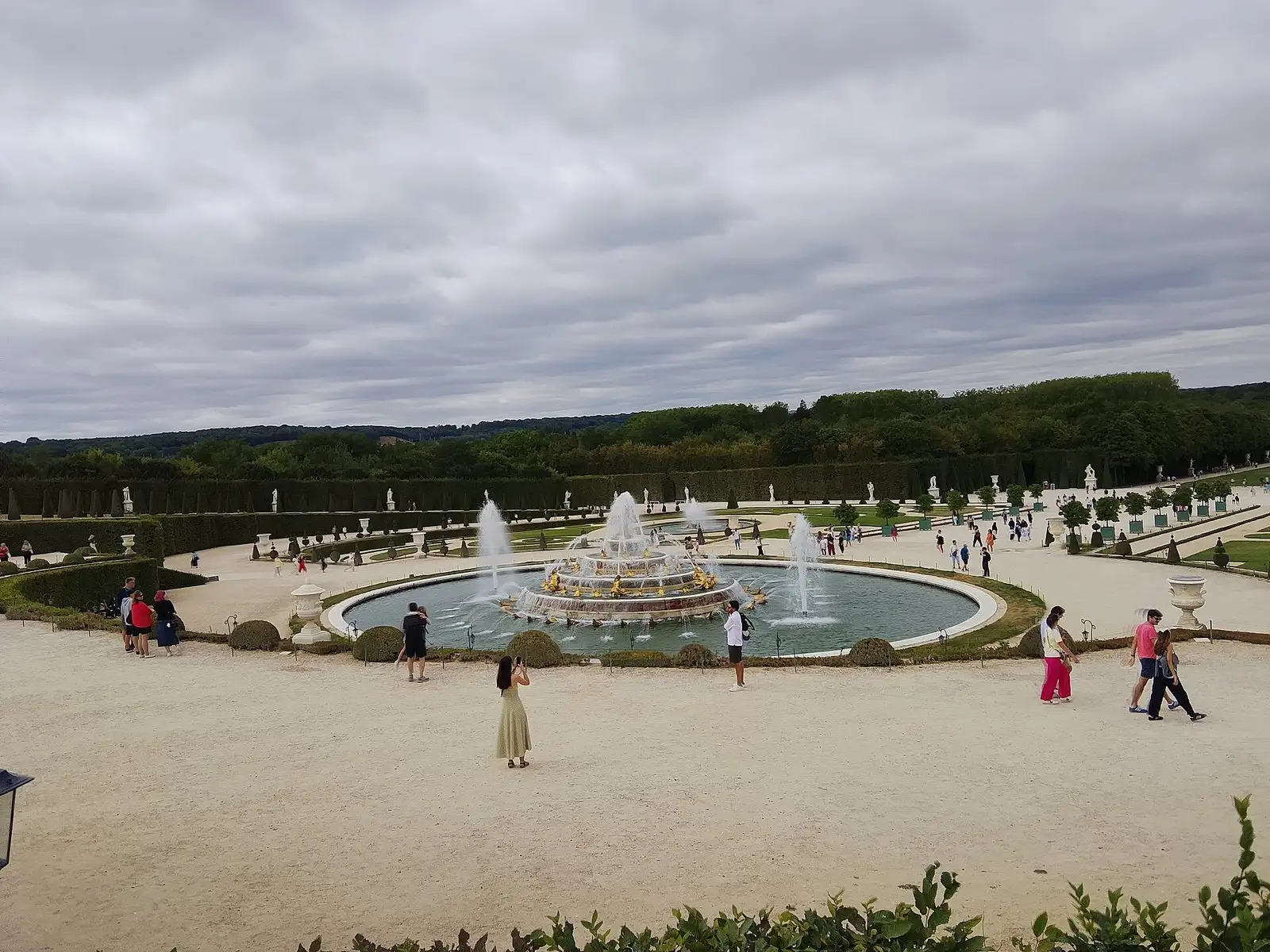
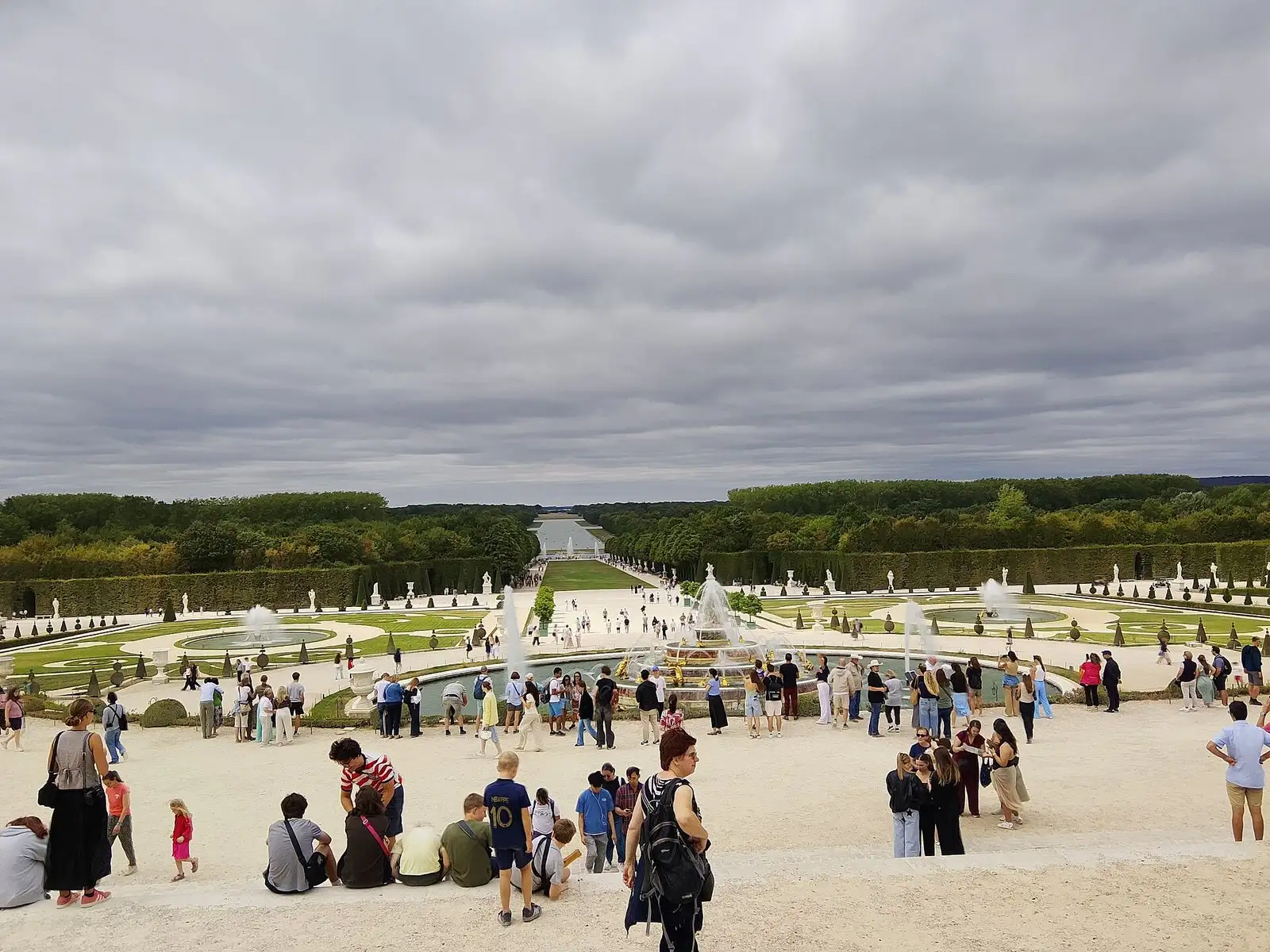
- Bassin de LatoneBuilt between 1668 and 1670, the fountain depicts an episode from Ovid’s Metamorphoses: Latona and her children tormented by Lycian peasants.In the gardens, below the Parterre d’Eau
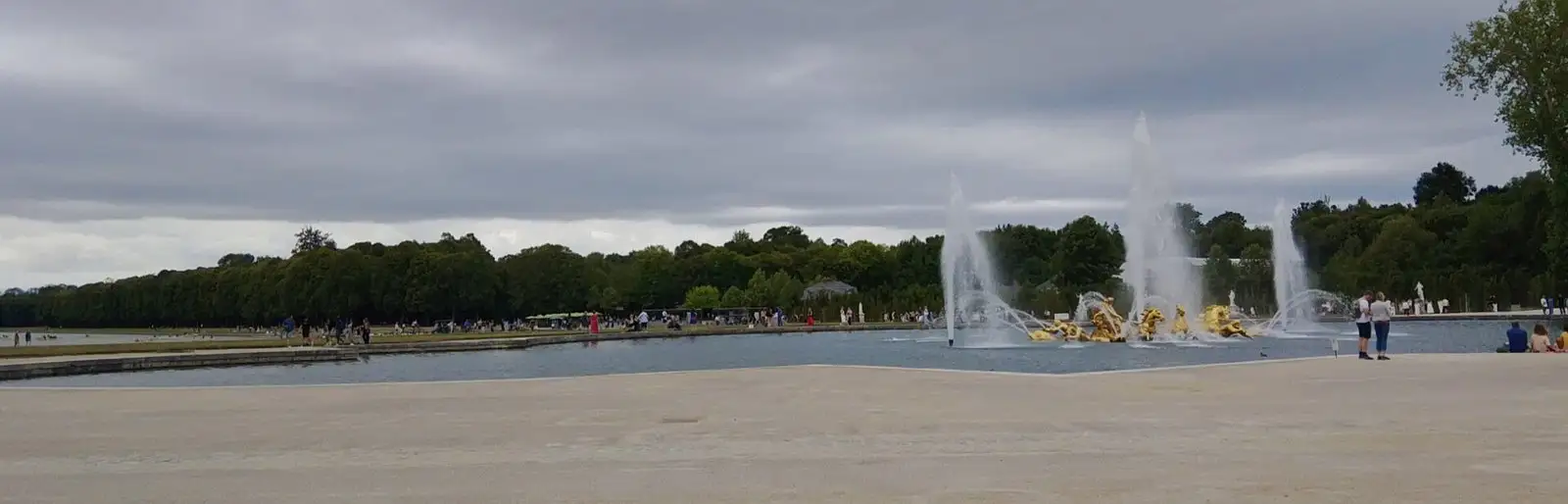
- Bassin d’ApollonBuilt between 1668 and 1671, the fountain shows Apollo driving his chariot across the sky.At the Grand Canal end of the Tapis Vert
- Salle de BalA semicircular cascade forms the backdrop to this leafy ballroom, the gardens’ only surviving cascade.Salle de Bal
What you see
- The Parterre d’Eau terrace sits above the Latona Fountain; beyond it, the Tapis Vert lawn extends to Apollo’s Fountain.
- Apollo’s basin marks the transition between the Petit Parc gardens and the Grand Canal.
- The Petit Parc is bounded by the château, Apollo’s basin, Neptune’s basin and the Orangery.
Shorts


History
Creating the gardens required extensive earthmoving to form parterres and dig fountains and the Canal. Thousands of workers, sometimes entire regiments, took part, and trees arrived from different regions of France. Colbert managed the project, while Charles Le Brun supplied drawings for many statues and fountains.
- 1632Louis XIII acquired more land west of the château, where formal gardens were laid out.
- Late 1630sClaude Mollet and Hilaire Masson designed the early gardens.
- 1661Louis XIV commissioned André Le Nôtre to expand and renovate the gardens. Work lasted about 40 years.
- 1684Jules Hardouin-Mansart began remodeling the Parterre d’Eau with two octagonal pools and bronze statues of four French rivers.
- 1774–1775The gardens were replanted in an attempt to create an English-style landscape.
Show all
- 1778Louis XVI ordered the Labyrinthe demolished because of repair and maintenance costs. The Bosquet de la Reine replaced it.
- Late 20th centuryStorm damage, including the devastating storm of December 1999, led to full replanting of the gardens.
- 2004The restored Bosquet des Trois Fontaines reopened on 12 June after damage in the 1990 and 1999 storms.
How to get there
- On footAddress: Place d’Armes, Versailles. The gardens lie west of the Palace of Versailles.
Sources: Gardens of Versailles - Wikipedia · The Gardens | Château de Versailles · Jardin de Versailles - Wikipedia · checked 6 Oct 2026
- Phone
- +33 1 30 83 78 00
Plan from here: Evening walk →
Questions and answers
What are the Gardens of Versailles opening hours?
The gardens are open daily from 08:00 to 20:30.
What was the Orangery at Versailles used for?
It sheltered orange trees through winter.
Why was the Grand Trianon built?
It was built as a retreat for Louis XIV, the Sun King.
What connects Marie Antoinette to the Petit Trianon?
She spent time there with family and friends.
What role does the Grand Canal play in the water system?
It collects water draining from the higher fountains and formed part of a recirculating water system.
- See who's going — faces, not ticket counts.
- Write to someone who shares your interests — no swipes, no matches, no paywall.
- Pick the event or the place to meet at — and go together.