

 Photo: Bernard Gagnon · CC BY-SA 4.0 · edited
 Photo: Cornelius Kibelka from Berlin, Germany · CC BY-SA 2.0 · edited
 Photo: Bernard Gagnon · CC BY-SA 4.0 · edited
 Photo: Matias Etchevarne · CC BY 2.0 · edited
 Photo: Bernard Gagnon · CC BY-SA 4.0 · edited
 Photo: Bernard Gagnon · CC BY-SA 4.0 · edited

 Photo: World66 · CC BY-SA 1.0 · edited
 Photo: Correcto · CC BY-SA 3.0 · edited
 Photo: Federico Pinto · CC BY-SA 3.0 · edited
 Photo: AsterixCBA · CC BY-SA 4.0 · edited
 Photo: Marcelo · CC BY-SA 4.0 · edited
Pucará de Tilcara
Sign up free — See who's going and message them.
About
More photos 11
1 / 11
Why go
- The reconstructed Aymara cemetery, one of the main attractions of the museum.
- The wide view over the Quebrada de Humahuaca gorge, which the site was chosen for.
- Room 6, with pieces from the ancient fortification itself.
Opening hours
Today09:00 – 18:00Show all
Know before you go
- Open every day of the week, from 09:00 to 18:00.
Tips for your visit
- Read the commemorative plaque on site, which discusses how archaeology treated indigenous peoples.
- The mummified body from the Atacama desert is no longer on display, so do not plan to see it.
Interesting facts7
-
 10,000 years
Traces of human habitation in the area go back more than 10,000 years.
Pucará de Tilcara - Wikipedia -
 2,000 inhabitants
At its peak the fortified town housed over 2,000 inhabitants.
Pucará de Tilcara - Wikipedia -

Walls were built along the less steep sides of the hill.
Pucará de Tilcara - Wikipedia -

A truncated pyramid on the north-west side commemorates the archaeologists who excavated the site.
Pucará de Tilcara - Wikipedia -

Excavation and rebuilding are still overseen by the University of Buenos Aires.
Pucará de Tilcara - Wikipedia -

It is the only publicly accessible archaeological site in the Quebrada de Humahuaca.
Pucará de Tilcara - Wikipedia -

The site is part of the world heritage list, being located in the Quebrada de Humahuaca.
Pucará de Tilcara - Wikipedia
Shorts
-
 ¿Conocías el Pucara de Tilcara?Quepasajujuyvideos
-
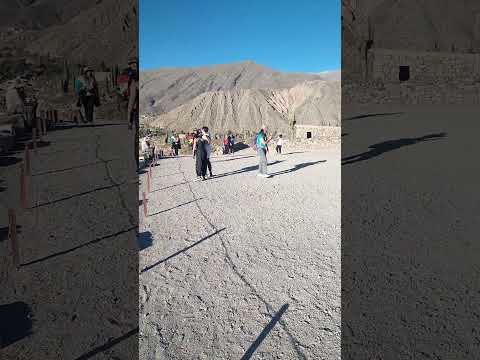 Pucara de Tilcara, JujuyRicardo Plá
-
 El Pucará de Tilcara entre cerros: una postal increíble del norte arg…Luciano Javier Martinez
-
 Conocés el Pucará de Tilcara? #jujuy ArgentinaTraveling Libre
-
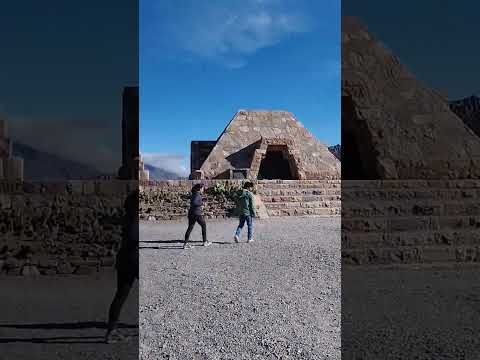 caminata al pucara de tilcara jujuy argentina 2GUSTAVO GOMEZ
-
 Pucará de Tilcara Jujuy Pelozo Aventuras
-
 Ruina de la antigua Pucará de TilcaraRecorriendo rutas
-
 Pucará de Tilcara - JujuyJanis
History
At its peak it housed over 2,000 people in small square stone houses with low doorways and no windows. Its builders farmed, wove and made pottery, and were warriors. Eduardo Casanova completed the reconstruction in 1948, and the first part of the museum opened in 1966.
- 12th centuryThe Omaguaca people built the fortified village on the hill.
- late 15th centuryThe Incas under Tupac Inca Yupanqui conquered the Quebrada tribes and used the site as a military outpost.
- 1536Spanish arrival ended Inca rule in the area.
- 1908Juan Bautista Ambrosetti and Salvador Debenedetti rediscovered the site.
- 1911The walls were cleared over about 2,000 square metres and rebuilt up to one metre high.
Show all
- 1948Eduardo Casanova took over the project and completed the reconstruction.
- 1966The first part of the archaeological museum opened on land donated by the provincial government.
- 2000The site was declared a National Monument.
How to get there
- 15 minOn footWalk from the town of Tilcara to the site, about 15 minutes.
Sources: Pucará de Tilcara - Wikipedia · Pucará de Tilcara - Wikipedia · Pucará de Tilcara - Wikipedia · checked 25 Oct 2026
- Phone
- +54 388 422-1325
Questions and answers
How do I get to Pucara de Tilcara from Tilcara?
Walk from the town of Tilcara. The walk takes about 15 minutes. The site stands on a hill about one kilometre south of the town.
What are the opening hours of Pucara de Tilcara?
Pucara de Tilcara is open every day of the week, from 09:00 to 18:00.
What is there to see at Pucara de Tilcara?
A stone village on the hilltop, with a museum of ten rooms and a reconstructed Aymara cemetery. A botanical garden with native cacti lies beside the museum.
- See who's going — faces, not ticket counts.
- Write to someone who shares your interests — no swipes, no matches, no paywall.
- Pick the event or the place to meet at — and go together.