


The Hoodoos
Sign up free — See who's going and message them.
Is this your place? Get the badge for your websiteAbout
More photos 10
1 / 10


Why go
- Late Cretaceous river-plain rock here yielded duck-billed hadrosaurs, armoured ankylosaurs and Albertosaurus.
- Some Northern Plains Indigenous oral traditions describe hoodoos as petrified giants or spirit beings.
History
Later settlers called the formations “tent rocks” and told stories that they moved at night. The English word “hoodoo” came west in the 1800s from folk usage linked to “voodoo”.
- 68–72 million years agoRivers deposited sand, silt and mud on a floodplain beside an inland sea, forming the Horseshoe Canyon rock that makes up the pillars.
- 12,000–16,000 years agoMeltwater from the retreating Laurentide Ice Sheet carved the valley.
- Last few thousand yearsIce, wind and water shaped the rock into hoodoos.
- Indigenous heritageThe valley is within the traditional territory of the Niitsitapi, Stoney Nakoda, Tsuut'ina and Metis peoples. Hoodoos served as landmarks and campsites, and their meanings continue in oral tradition.
- 1880sAfter the railway arrived, coal mining helped turn the valley into a mining town.
Show all
- By the 1970sThe mines had closed.
Tips for your visit
- Follow the trail to the main viewpoint and viewing platform; signs cover geology and local history.
- Free on-site parking is available along Coulee Way.
- The Royal Tyrrell Museum of Palaeontology is a short drive away and displays fossils from the area's rocks.
Know before you go
- Stay on marked paths and follow posted signs.
- Do not climb on or touch the hoodoos; this is prohibited to protect them.
- Leave any possible fossil in place and tell the Royal Tyrrell Museum of Palaeontology.
How to get there
- 15 minCarFrom downtown Drumheller, take Hoodoo Trail (Highway 10); the drive takes about 10–15 minutes.
- 135 minCarThe site is about 135 kilometres northeast of Calgary.
Shorts
-
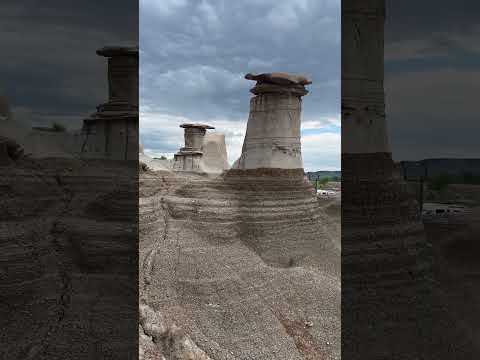 Hoodoos, Drumheller Alberta.Olive Drab Garage
-
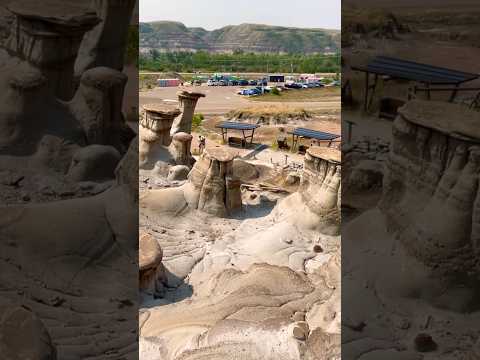 Drumheller Hoodoos Alberta CanadaOlan Canada Vlog
-
 Hoodoos Trail, Drumheller- Alberta's Badlands📍75 million yrs old rock…Shruti Vansia
-
 Hoodoos of Drumheller | Alberta's BadlandsIFF TABS
-
 Drumheller Hoodoos in Alberta, CanadaVan Life Thru a Lens
-
 “Koi Mil Gaya” was shot here in Hoodoos, DrumhellerTaran This Side 🇨🇦
-
 Koi mil gaya song #Jadoo Jadoo # hoodoos trail # drumheller# Alberta …Swadeshipahadan
-
 Hoodoos, Drumheller Alberta CanadaWander with Pau
Interesting facts3
-

Hard stone caps shelter softer claystone and siltstone, shaping the hoodoos.
Willow Creek Hoodoos (Drumheller) 2026: Visitor Guide, Trail & Parking -

When a hoodoo cap cracks and falls, the exposed column erodes quickly.
Willow Creek Hoodoos (Drumheller) 2026: Visitor Guide, Trail & Parking -

Flash floods and spring thaw continue to change the slopes.
Willow Creek Hoodoos (Drumheller) 2026: Visitor Guide, Trail & Parking
Sources: Willow Creek Hoodoos (Drumheller) 2026: Visitor… · checked 28 Sep 2026
- Website
- willowcreekhoodoos.com/
- Phone
- +14038237741
Plan from here: Evening walk →
Questions and answers
What wears The Hoodoos down?
Freeze-thaw, rain and wind gradually wear down the exposed columns.
Who maintains The Hoodoos?
The Town of Drumheller and Alberta Parks jointly maintain the site and educate visitors about preservation.
Why is Drumheller called the Dinosaur Capital of the World?
The title reflects the area's fossil record.
- See who's going — faces, not ticket counts.
- Write to someone who shares your interests — no swipes, no matches, no paywall.
- Pick the event or the place to meet at — and go together.