


The Royal Albatross Centre
Sign up free — See who's going and message them.
Is this your place? Get the badge for your websiteAbout
More photos 7
1 / 7



Why go
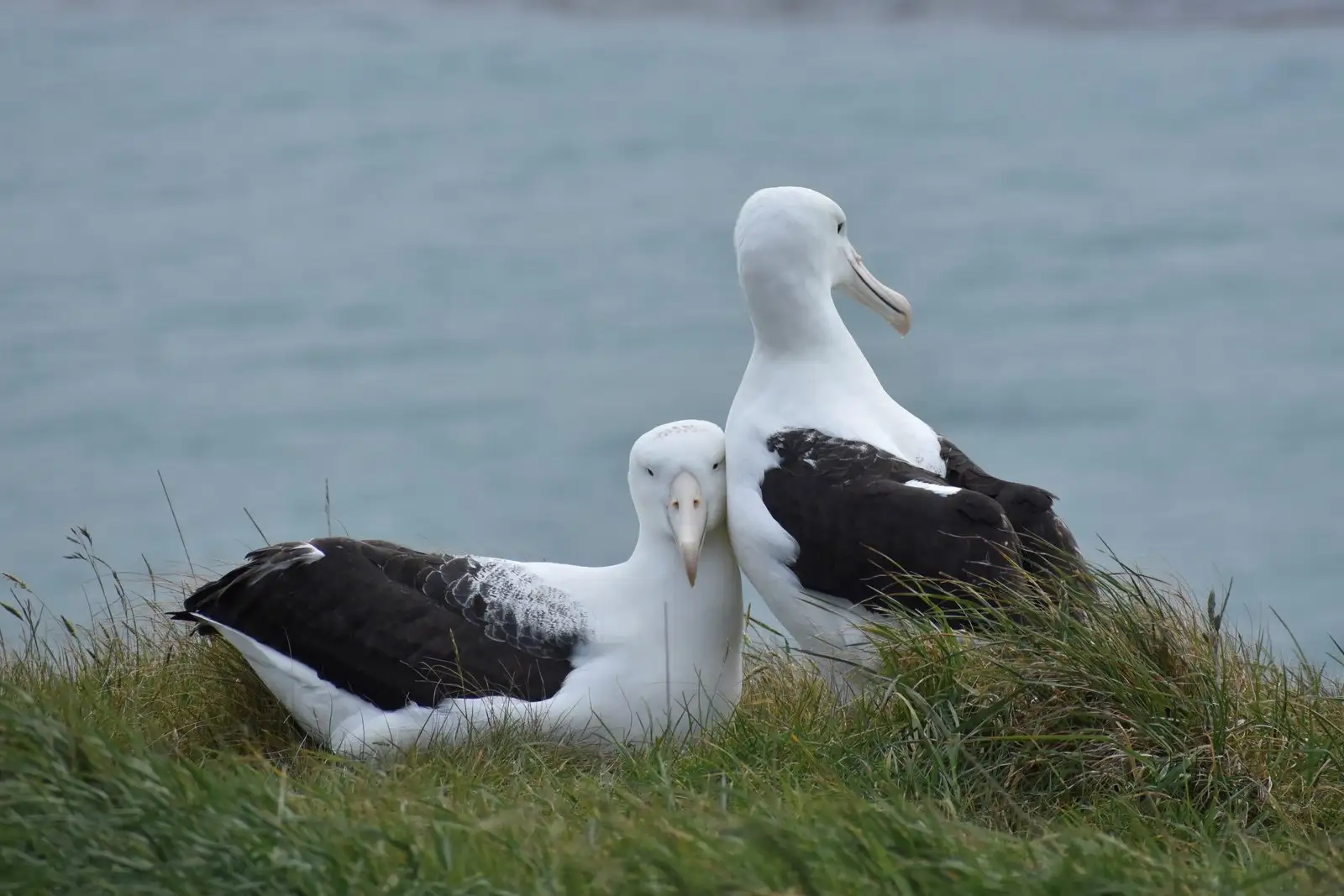
- Northern royal albatrosses breeding on the cape, about 200 of them almost year-round
- The royal albatross colony, the only one on an inhabited mainland
Opening hours
Today10:15 – 16:30Show all
With kids
- Albatross chicks are raised in the wild, not held in captivity, so the birds children see are free-living.
Tips for your visit
- Watch the birds from the glazed observatory, which lets visitors see the reserve's wildlife.
- The breeding area is restricted entry, so the birds are seen from the observatory.
- Guided tours are run by the Otago Peninsula Trust, which also runs the visitor centre on neighbouring land.
Best time to visit
- Albatrosses breed on the cape almost year-round, so there are birds to see across the year.
Know before you go
- Open every day of the week, from 10:15 to 16:30.
- The breeding area is a restricted-entry nature reserve run by the Department of Conservation.
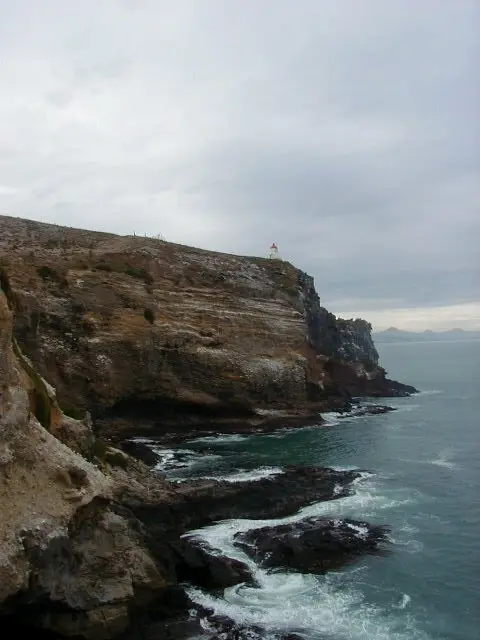
- The centre is at 1259 Harington Point Road, on Taiaroa Head at the end of the Otago Peninsula.
Shorts
-
 Come with me to The Royal Albatross CentreAnne Baron
-
 Royal Albatross Centre | Dunedin, Otago Peninsula, New ZealandJT Drive
-
 Tairoa Heads, Harrington Point, Royal Albatross Centre, DunedinDexter Britto
-
 Inside the Royal Albatross Centre | A Must-Visit Wildlife Experience …Biwarikikum Stacker NZ
-
 The Royal Albatross Centre, New Zealand100% Pure New Zealand
-
 Royal Albatross Centre at DunedinMy New Zealand Journey
-
 Dunedin coastal drive to the Royal Albatross Centre,wild beauty on th…@I AM ELSSIE.
-
 LITTLE PENGUINS of New Zealand! | Royal Albatross Centre, DunedinKai the Singaporean Husband
Interesting facts3
-

Predator control targets cats, ferrets, stoats and weasels.
Taiaroa Head - Wikipedia -

Albatross numbers have grown under intensive management by reserve rangers.
Taiaroa Head - Wikipedia -
 2008
Around 100 albatrosses were estimated in 2008, and about 200 a decade later.
Taiaroa Head - Wikipedia
History
A conservation trust founded in 1967 set up a bird observation post to watch the albatrosses.
- 1919Northern royal albatrosses begin settling on the cape and form a colony of over 100 birds.
- 1938Ornithologist Lance Richdale sees the first live albatross fledge on the head.
- 1967A conservation trust is founded to protect the wildlife of the peninsula.
- 1983The Richdale Albatross Observatory opens.
- 1989Anne dedicates the Royal Albatross Centre on the cape.
Show all
- early 1990sA new blowfly starts killing chicks by laying its eggs in them.
- 2008Around 100 albatrosses are estimated on the reserve.
Sources: Taiaroa Head - Wikipedia · Taiaroa Head - Wikipedia · Taiaroa Head - Wikipedia · checked 26 Oct 2026
- Website
- albatross.org.nz/
- Phone
- +64 3 478 0499
Plan from here: Evening walk →
Questions and answers
What are the opening hours of the Royal Albatross Centre?
The centre is open every day of the week, from 10:15 to 16:30.
Where is the Royal Albatross Centre?
It is at 1259 Harington Point Road, on Taiaroa Head at the end of the Otago Peninsula.
How far is the Royal Albatross Centre from Dunedin?
It stands on the cape at the end of the Otago Peninsula, about 20 km northeast of the Dunedin city centre.
Can children visit the Royal Albatross Centre?
Children can watch the albatrosses from the glazed observatory, which lets visitors see the reserve's wildlife from behind glass.
Are guided tours of the Royal Albatross Centre available?
Yes. The Otago Peninsula Trust runs guided tours, and its visitor centre is on neighbouring land.
Are the albatrosses at the Royal Albatross Centre kept in captivity?
No. Albatross chicks and adults are raised in the wild, not held in captivity.
- See who's going — faces, not ticket counts.
- Write to someone who shares your interests — no swipes, no matches, no paywall.
- Pick the event or the place to meet at — and go together.