

Weald & Downland Living Museum
- from GBP 15.50
Sign up free — See who's going and message them.
Is this your place? Get the badge for your websiteAbout
More photos 8
1 / 8


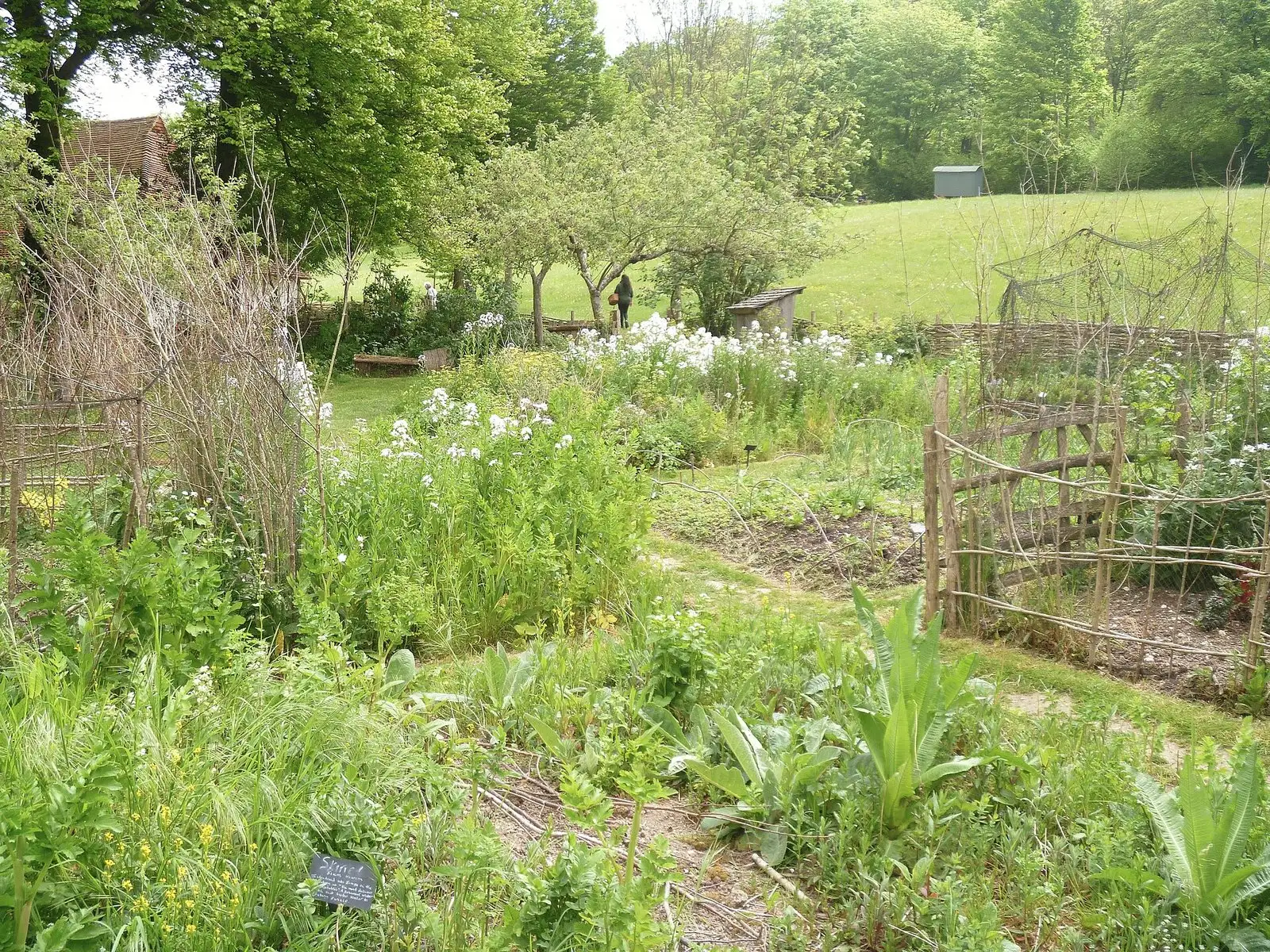


What's on here

Why go
- A working watermill built to serve Petworth House and Park.
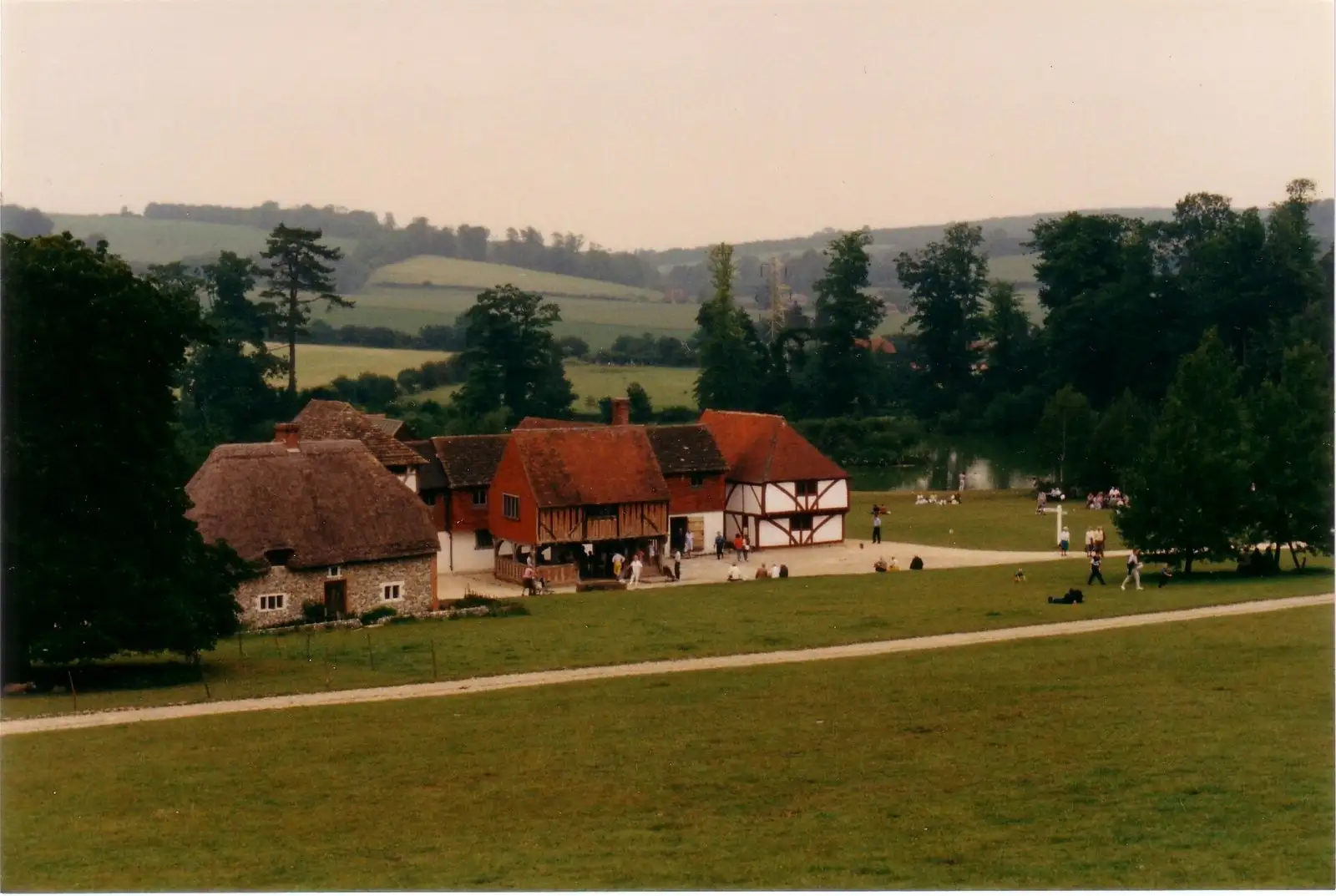
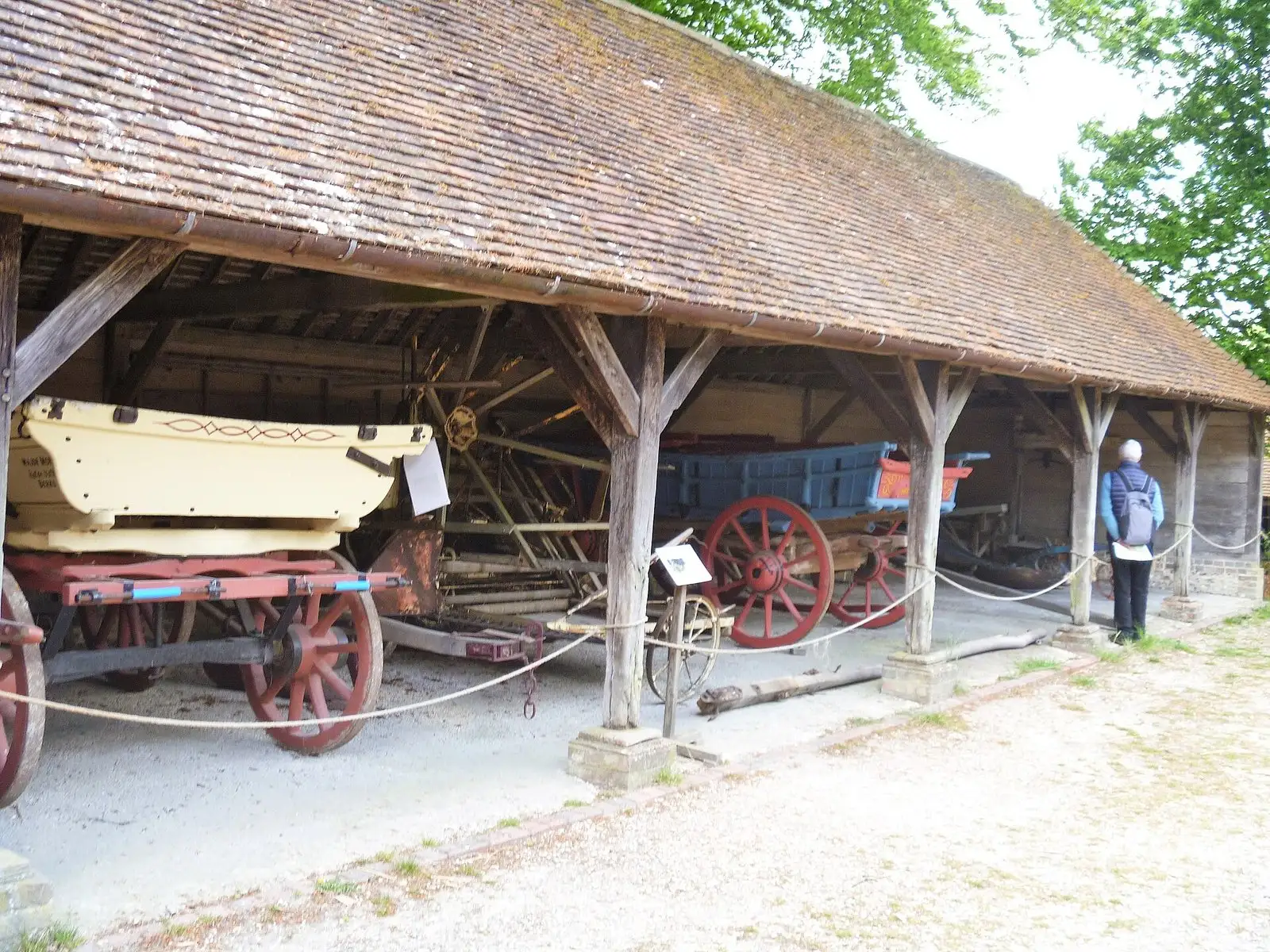
- Historic homes, farmsteads and rural workplaces, including five open-fronted cattle sheds from the 18th and 19th centuries.
Opening hours
Today10:00 – 17:00Show all
Don't miss
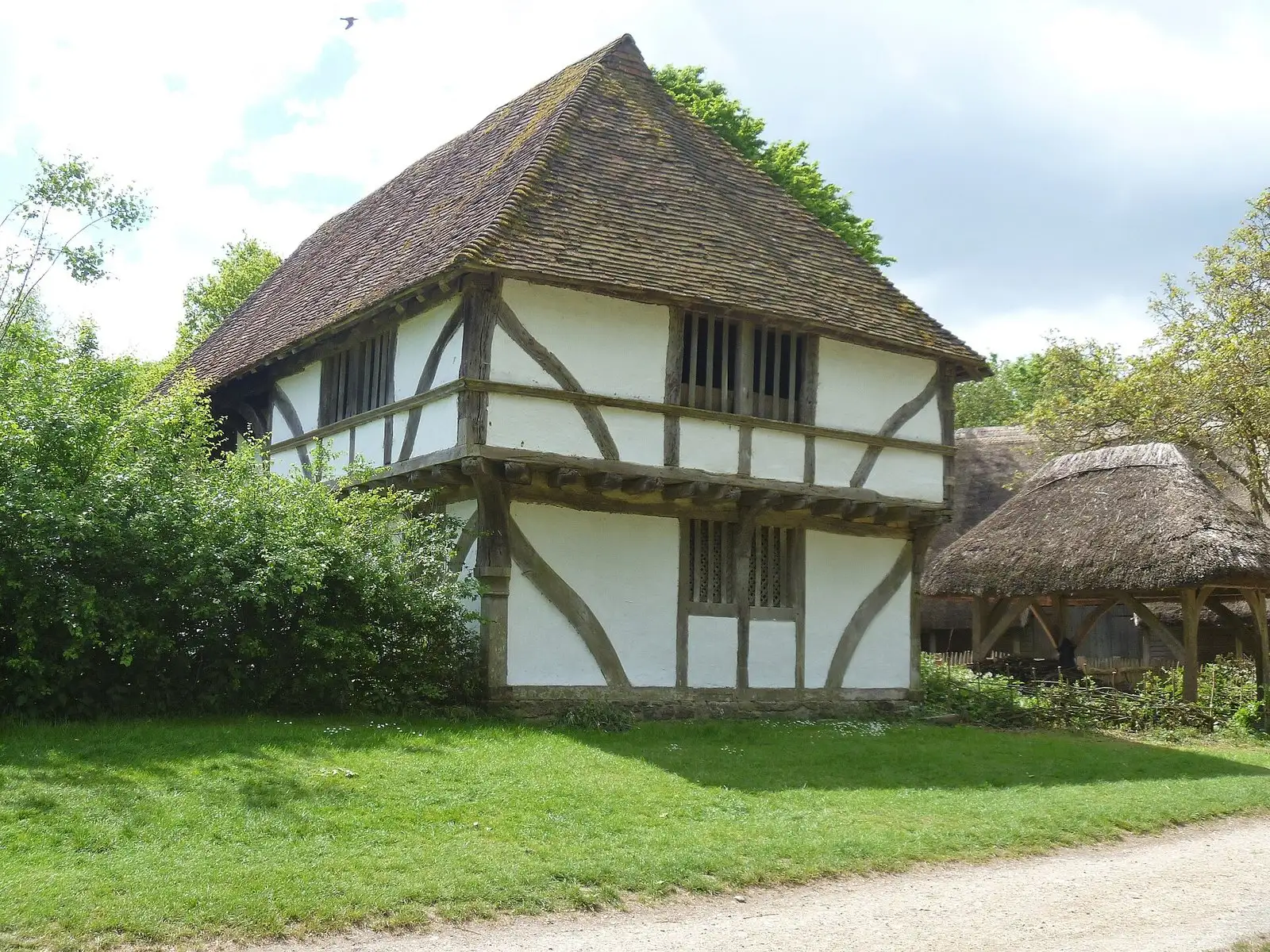
- Cowfold barnA late-medieval timber-framed barn whose timbers were dated by tree-ring analysis.Timbers felled in 1536
- Bayleaf farmhouseA timber-framed Wealden hall house with four ground-floor rooms and two upstairs.Early 15th century
- Causeway Brickworks brick-drying shedAn 80-foot shed displaying traditional brickmaking.1733
- Charcoal burner’s campThe museum’s first demonstrated rural trade was charcoal burning at this camp.Original exhibit, 1970
- WindpumpA hollow-post mill re-erected at the museum in 1975.Mid-19th century
Know before you go
- The upper floors of the Horsham medieval shops building house the museum library and are not usually open to visitors.
What's inside
- The 15th-century building from Horsham contains two shops and has three storeys with jettied upper floors.
- Built at West Lavington in 1609, Pendean farmhouse has a central chimney and fireplaces on both floors. It retains unglazed windows.
- The Goodwood cattle shed has a shepherd’s room and displays horse-drawn farm implements.
- The Redford building housed a horse-powered pug mill used to prepare clay for brickmaking.
- The 19th-century saw-pit shed from Sheffield Park contains tools for turning trees into finished timber.
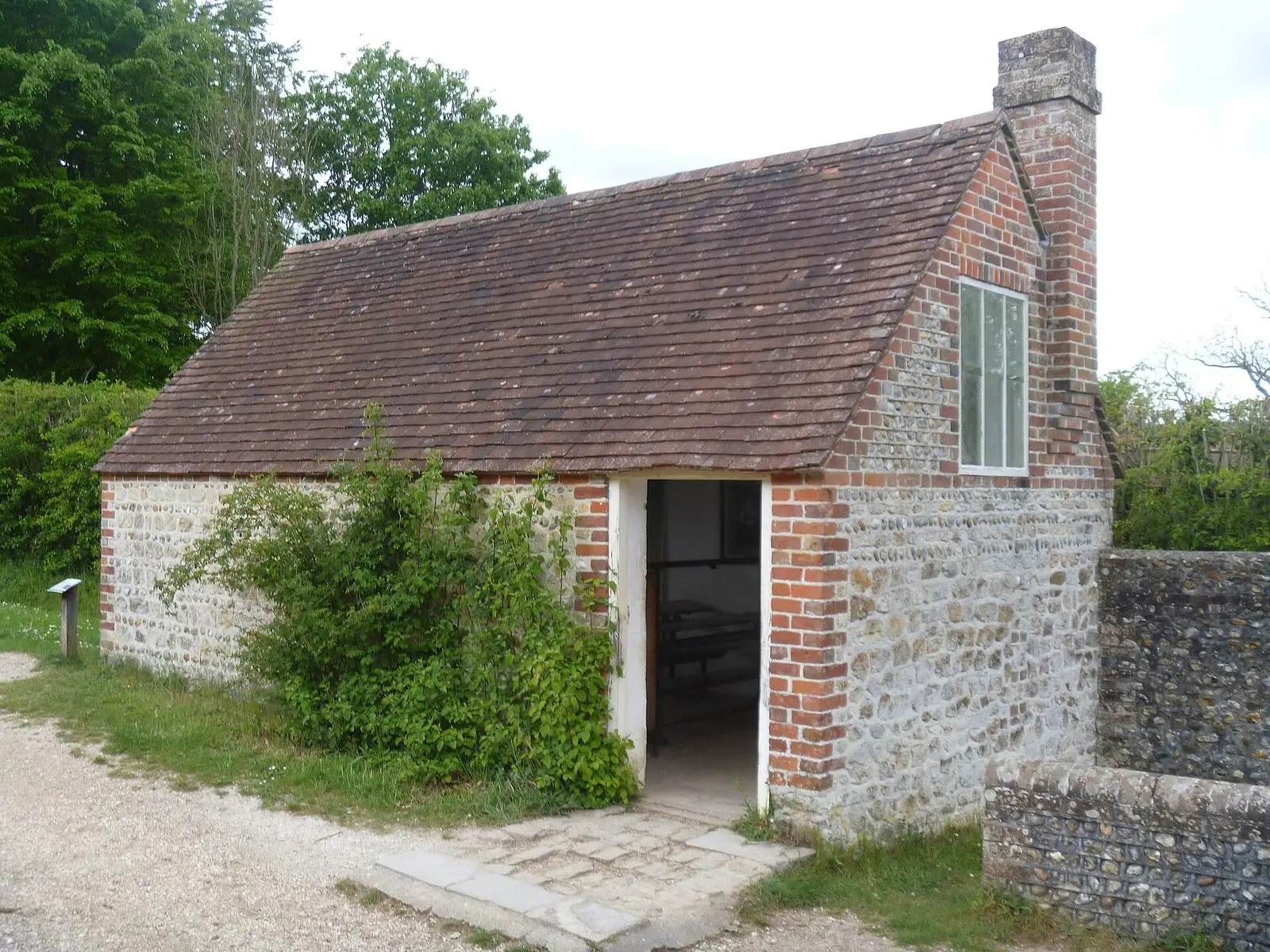
- The West Wittering schoolhouse educated poor children in the early 19th century.
- The mid-18th-century stable from Watersfield could hold up to five horses or oxen.
- A thatched timber building from Catherington houses an early 17th-century treadwheel.
- The toll cottage is displayed with a recreated tollgate and milestone.
- The late-19th-century plumber’s workshop from Newick had a glazier’s workshop upstairs.
- Poplar Cottage is a small timber-framed, thatched building dating from 1550–1630.
With kids
- Farm animals are in the museum grounds.
Tips for your visit
- The open-air museum grounds cover 40 acres.
Interesting facts4
-
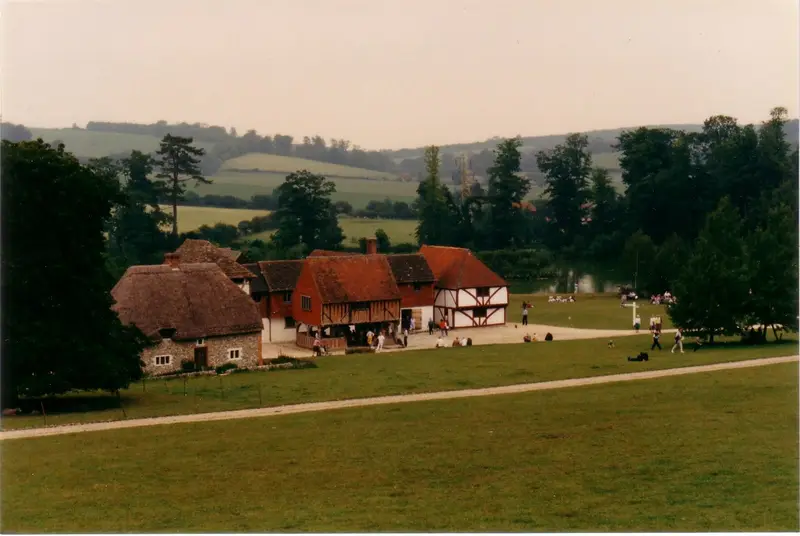 1731
The 1731 granary from West Ashling stands on sixteen staddle stones to deter vermin.
Weald and Downland Living Museum - Wikipedia -
 1900
Made in 1900, the hand-operated crane in the reconstructed timber yard can handle loads up to 5 tons.
Weald and Downland Living Museum - Wikipedia -

Elm exterior timbers on the North Cray hall house are painted red, matching evidence of its original appearance.
Weald and Downland Living Museum - Wikipedia (part 2) -

The upper floor of the Newick plumber’s workshop was used as a glazier’s workshop.
Weald and Downland Living Museum - Wikipedia (part 2)
Shorts


History
The museum was founded to save representative vernacular buildings from South East England and raise awareness of the built environment. Edward James of West Dean provided land at a peppercorn rent. The buildings were dismantled, conserved and rebuilt after they could not be preserved at their original sites. The collection depicts homes, farmsteads and rural industries across 950 years.
- 1967Enthusiasts led by founder Dr J.R. Armstrong MBE launched the museum.
- 1968Bayleaf farmhouse, from Ide Hill in Kent, was donated because a reservoir threatened it.
- 5 September 1970The museum first opened to the public.
Sources: Weald and Downland Living Museum - Wikipedia · Weald and Downland Living Museum - Wikipedia (p… · Weald and Downland Living Museum - Wikipedia (p… · Chichester - Wikivoyage (see) · Weald and Downland Living Museum - Wikipedia · checked 24 Sep 2026
- Website
- wealddown.co.uk/
- Phone
- 01243811363
Questions and answers
When did the watermill at Weald & Downland Living Museum stop working at its original site?
It worked at Lurgashall until 1935.
Where did the Market Hall at Weald & Downland Living Museum come from?
The 17th-century Market Hall was first built at Titchfield, Hampshire.
What is Poplar Cottage at Weald & Downland Living Museum?
A small timber-framed, thatched cottage from Washington, Sussex, dating to 1550–1630.
- See who's going — faces, not ticket counts.
- Write to someone who shares your interests — no swipes, no matches, no paywall.
- Pick the event or the place to meet at — and go together.